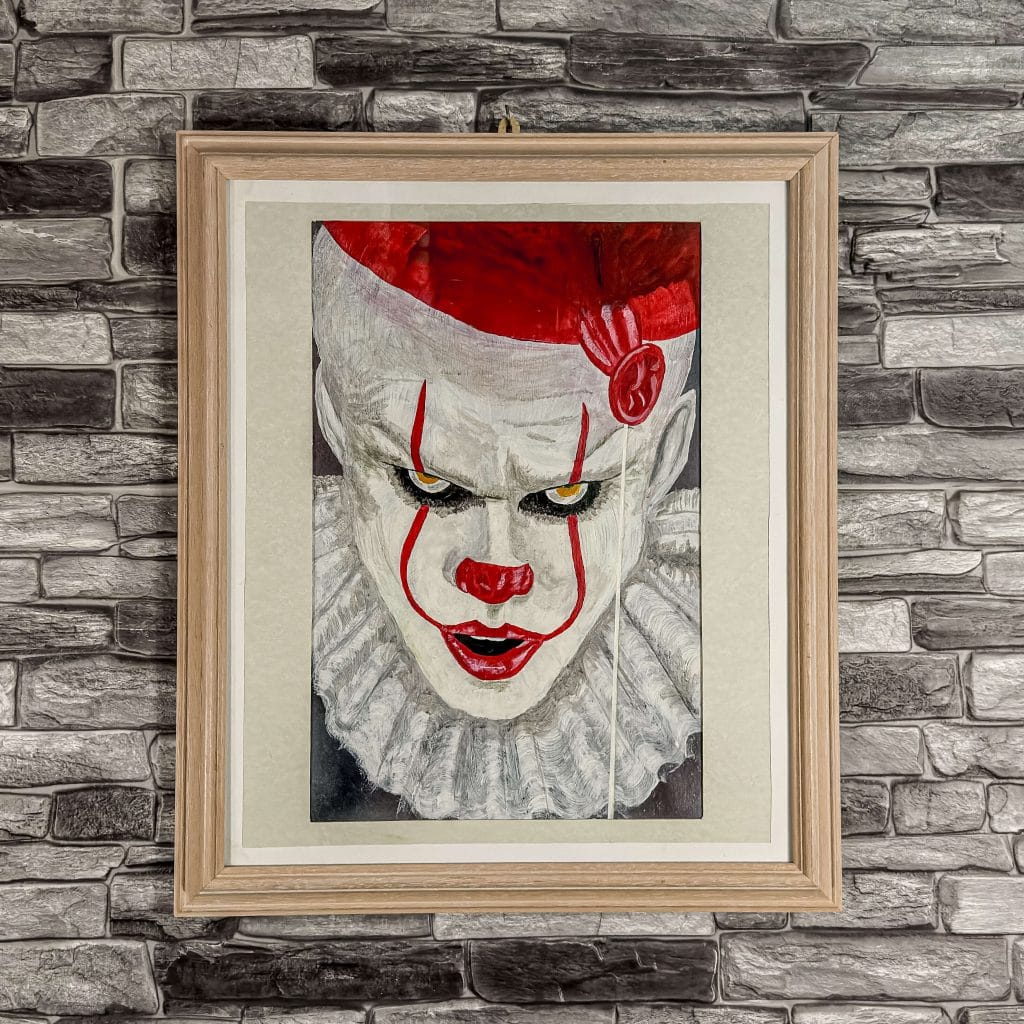
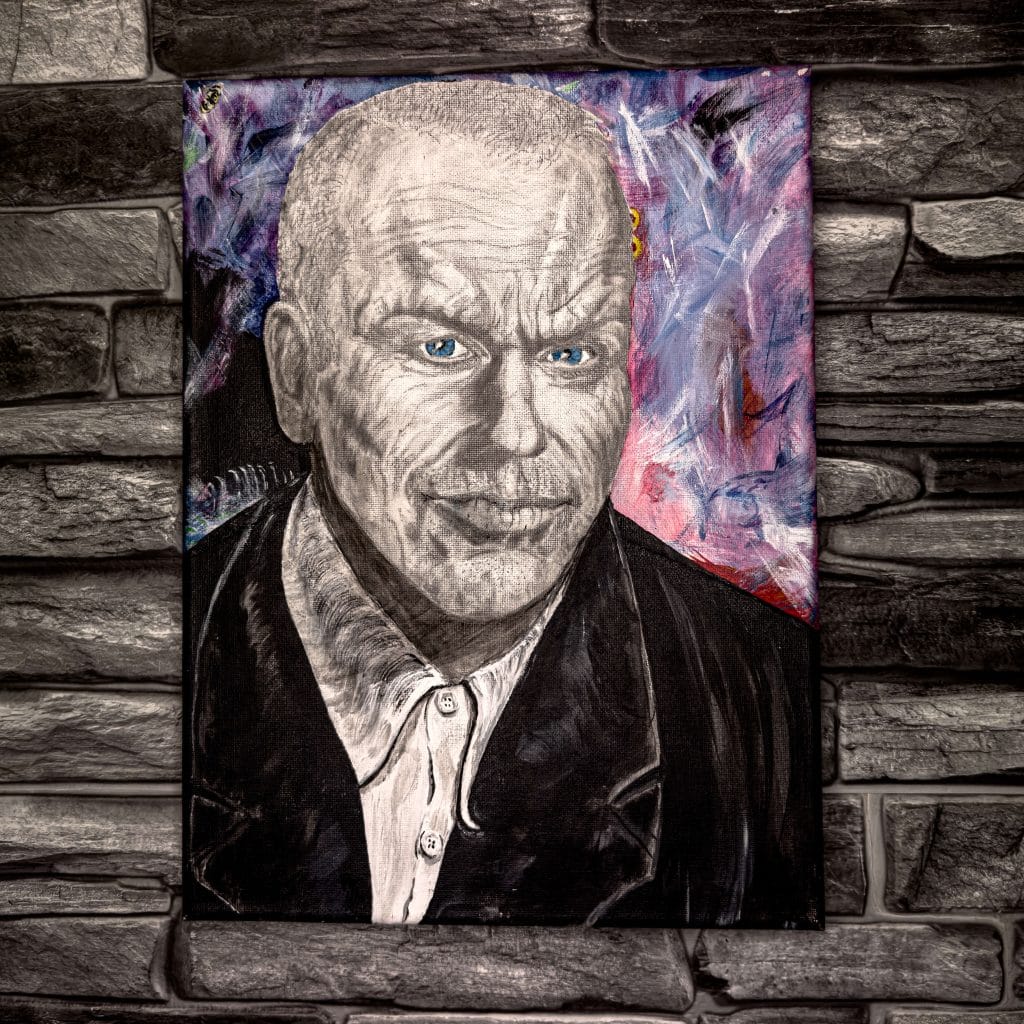
How to choose a contemporary portrait for your home
There’s a particular kind of silence you get from a portrait hanging in a room. It isn’t empty or neutral; it’s a presence, a gaze, a mood that sits quietly with you while life happens around it. In a world full of screens and fast images, choosing a contemporary portrait for your home is less about decoration and more about deciding who or what you want to share space with every day.
Before anything else, it’s worth saying this clearly: the “right” portrait for your home isn’t the one that pleases the most people. It’s the one that feels like it belongs in your orbit, even if it makes other people tilt their head and wonder why.
Start with presence, not popularity
The first question isn’t “who is fashionable to hang on my wall?” but “what kind of presence do I want in this room?” That presence might come from a well-known musician, a film character, a personal hero, or a figure that simply carries a mood you recognise.
A portrait of Bob Dylan has a different weight to it than a portrait of Sir Tom Jones or Elvis Costello, not because one is more important, but because each brings a different kind of history and energy into the room. A painting of John Lydon is not just a face; it brings the rawness of punk with it, that feeling of disruption and refusal to sit nicely in the background. Living with that on your wall feels different from living with someone whose presence is all velvet, charm, and warmth.
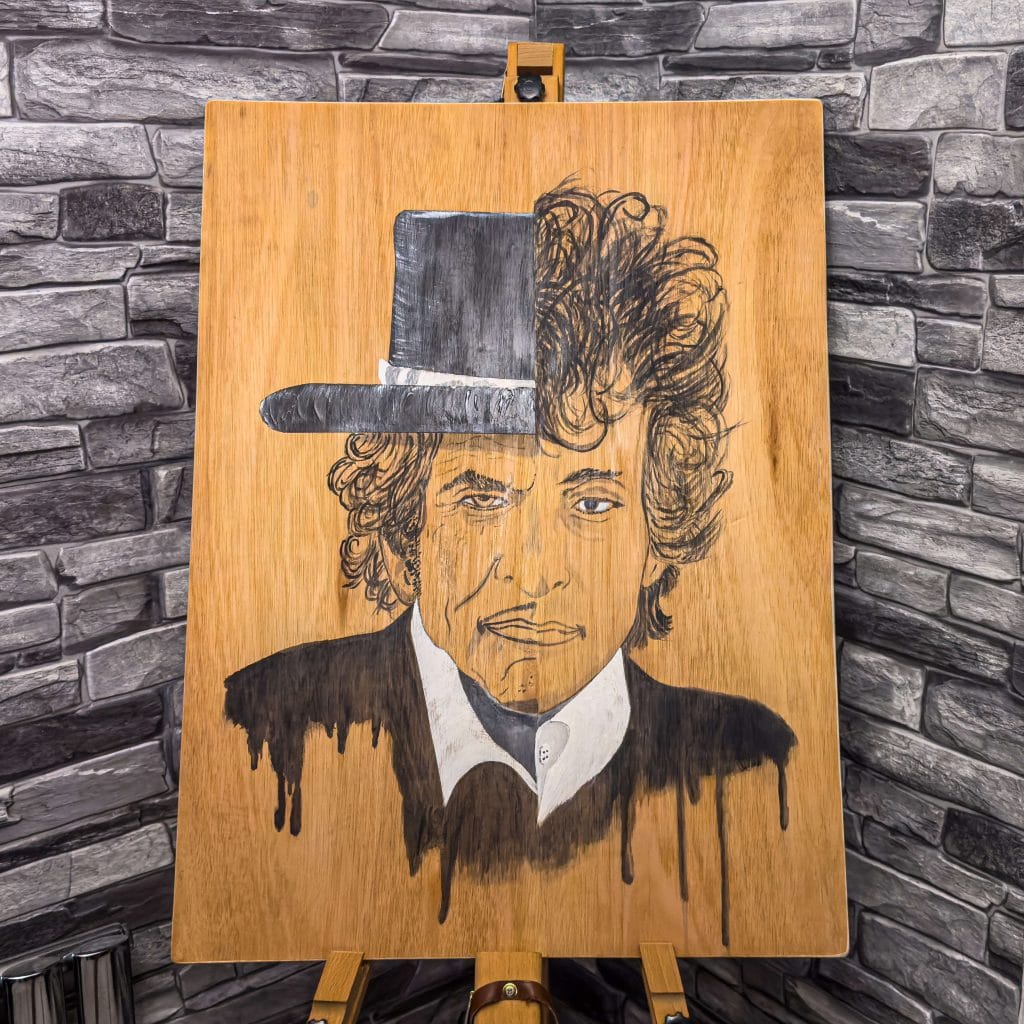
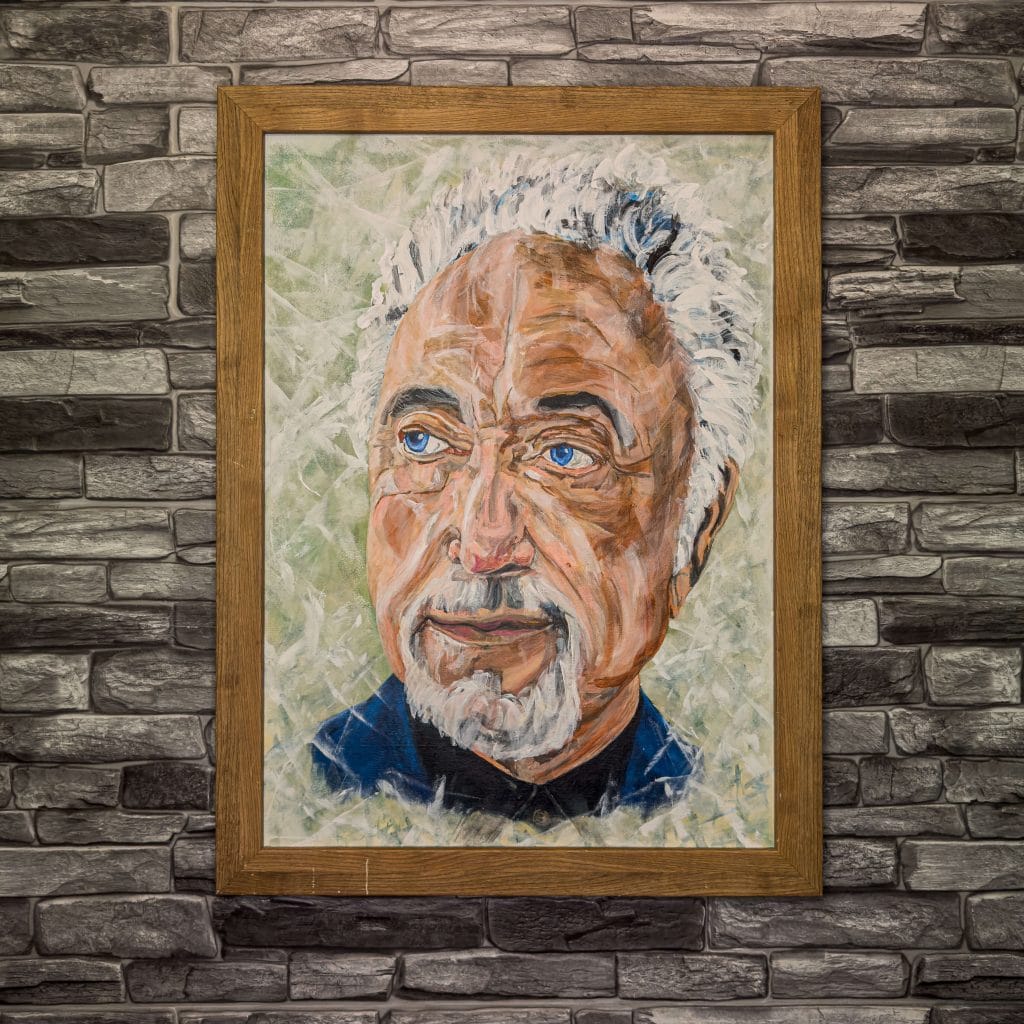
You might find yourself drawn to figures you’ve grown up with, musicians whose voices got you through something, or simply someone whose expression feels like a mirror of your own inner world. That pull is worth trusting. A portrait you can’t quite explain often ends up being the one that keeps rewarding you long after the novelty of a “popular” choice has faded.
Mood and colour: how a portrait changes the room
Once you have a sense of the presence you want, pay attention to mood and colour. This is where contemporary portrait painting can quietly reshape a space without moving a single piece of furniture.
In my own work, I lean on bold contrast, simplified detail and acrylic paint to push the atmosphere of a portrait forward. Stripping away fine detail means the eye goes straight to what matters: the tilt of the head, the weight of the gaze, the way a mouth almost forms a word. Colour then does the rest, deep blues pulling a room into something calmer and more introspective, electric oranges and reds pushing it towards energy and heat.
Think about the room you’re placing the work in:
- In a living room, you might want a portrait that feels like a steady anchor, something that can sit behind conversation without shouting over it.
- In a studio or music room, you might prefer sharper contrast, louder colour, or a subject that keeps you slightly on edge in a good way.
- In a hallway, stairwell or transitional space, a more dramatic composition can turn an in‑between area into a moment of theatre each time you pass.
When you’re looking at portraits, notice where your eye goes first. Is it the face, the light, the colour, the negative space? If you feel your body respond, a small intake of breath, a sense of leaning closer, that’s usually a better guide than asking whether it will “match the sofa.”
Scale and placement: letting the portrait breathe
Scale changes everything. A small, intimate portrait invites you in; a large work can dominate a wall and set the tone for the whole room. Neither is better by default; it depends on the relationship you want with the piece.
Some simple ways to think about it:
- Living room feature wall: A larger portrait can act almost like a doorway into another atmosphere. Give it space so it doesn’t fight with a crowded gallery wall, let the figure breathe.
- Stairwell or hallway: Vertical compositions and slightly off‑centre placements can make a narrow space feel taller and more intentional. A figure looking into the direction you’re walking can create a subtle sense of movement.
- Studio, office or music room: Placing a portrait above eye level can feel like having someone quietly watching over the work you’re doing; placing it slightly lower can feel more like having a companion at the table.
If you’re unsure, imagine where you’d stand to look at the painting properly. Is there somewhere you naturally pause in that room, between the sofa and the door, at the bottom of the stairs? The best place for a portrait is often the spot where you already find yourself slowing down for a moment without quite knowing why.
When an existing piece is enough, and when a commission makes sense
Sometimes you’ll see a painting of a musician or cultural figure and know immediately that it’s the one – you recognise yourself in the way they’ve been painted, not just in who they are. In that case, adding an existing piece to your home can be as straightforward as checking that the size, colour temperature and intensity suit the space you have in mind.
Other times, you might feel something like “almost.” The subject is right, but the mood is a little too bright for your living room. Or the colour is perfect, but you can’t quite stop thinking about a different figure, a different song, a different film, a different moment in your own life.
That “almost” is usually where a commission becomes interesting. A commissioned portrait isn’t about ordering a specific pose from a catalogue; it’s a conversation between what you live with already and what you want the painting to bring into your home. It might mean exploring a favourite musician in a different palette, shifting the balance between light and shadow, or building a portrait of someone you know in a style you’ve only seen used for cultural icons.
If you find yourself returning to the Portrait collection more than once, or if there’s a particular subject or mood that keeps resurfacing in your mind, that’s usually a sign that there’s a painting waiting to be worked out between us rather than off the shelf.
Choosing a contemporary portrait for your home is less about following trends and more about listening to the spaces you live in, and to yourself. Start with presence, then let mood, colour, scale and placement fall into place around that.
You’re always welcome to explore the current portrait paintings and see which figures, palettes or moods keep pulling you back. And if you ever reach a point where something feels close but not quite right, where you can almost see the portrait you want but can’t find it yet, that’s a good moment to start a conversation about a custom piece rather than forcing a decision.
When you’re ready, we can talk about what kind of presence you want your walls to hold, and build the portrait from there.