De Brûlart

Where the work begins

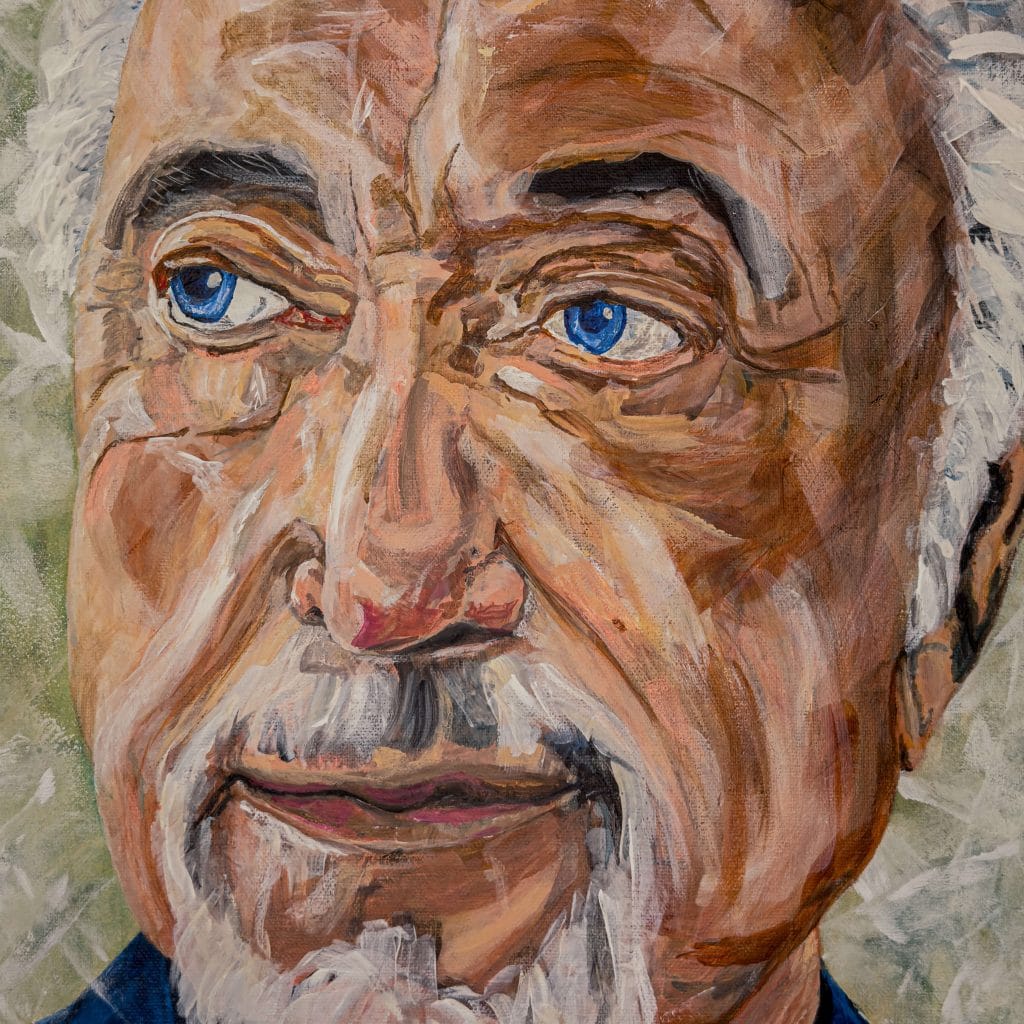
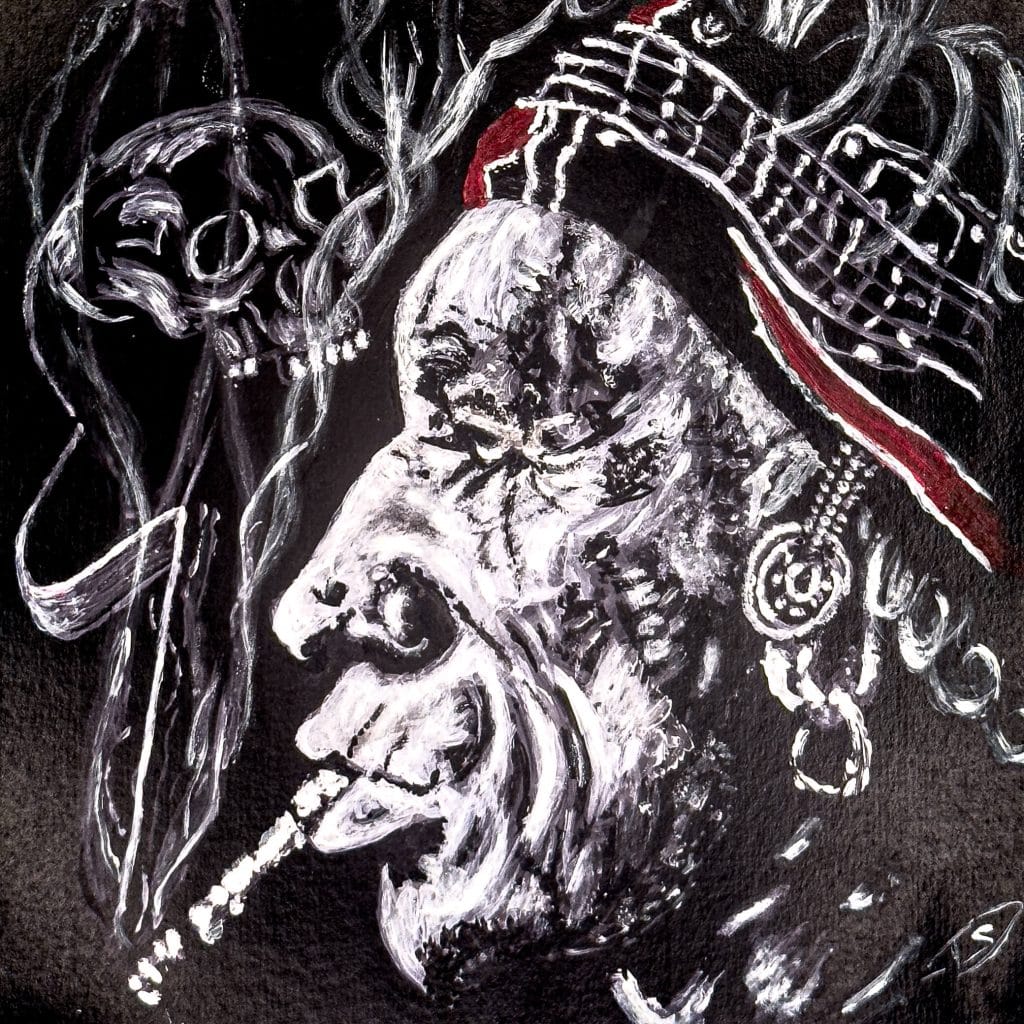
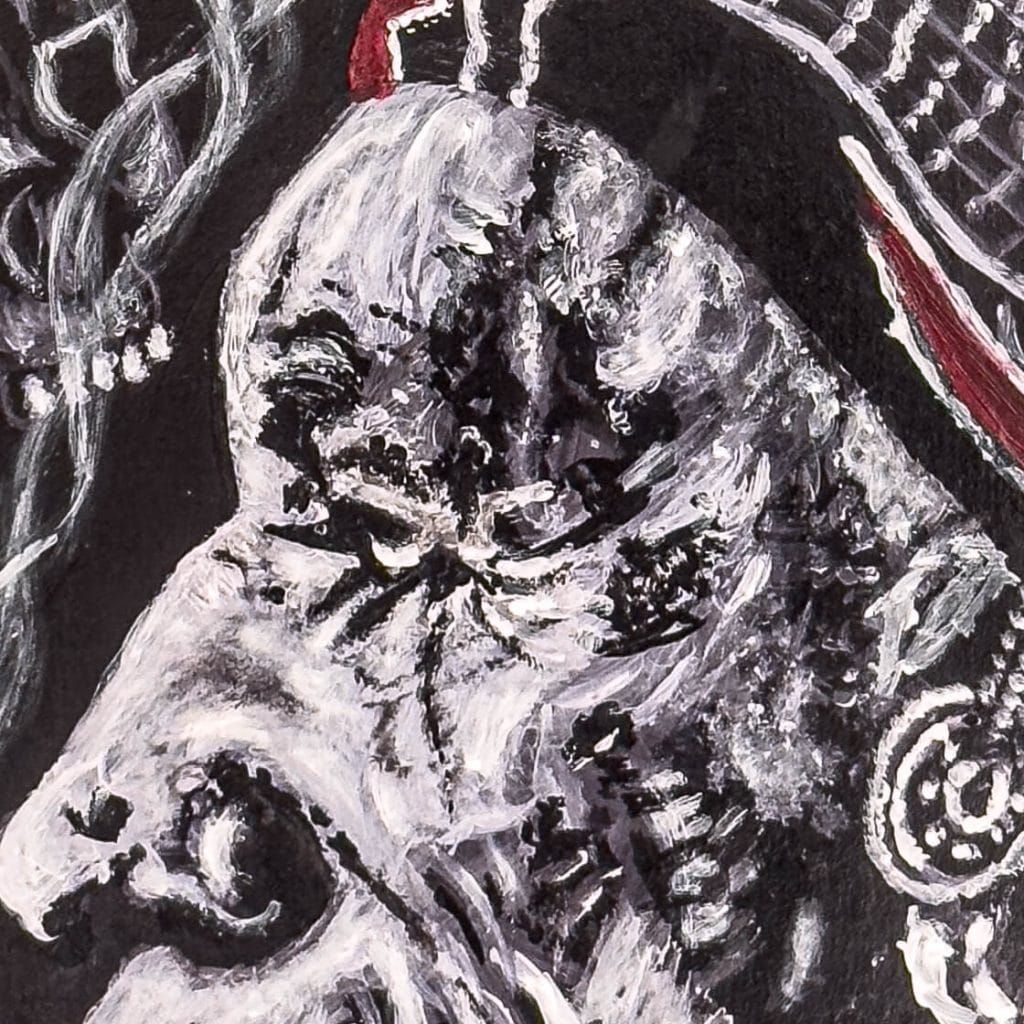
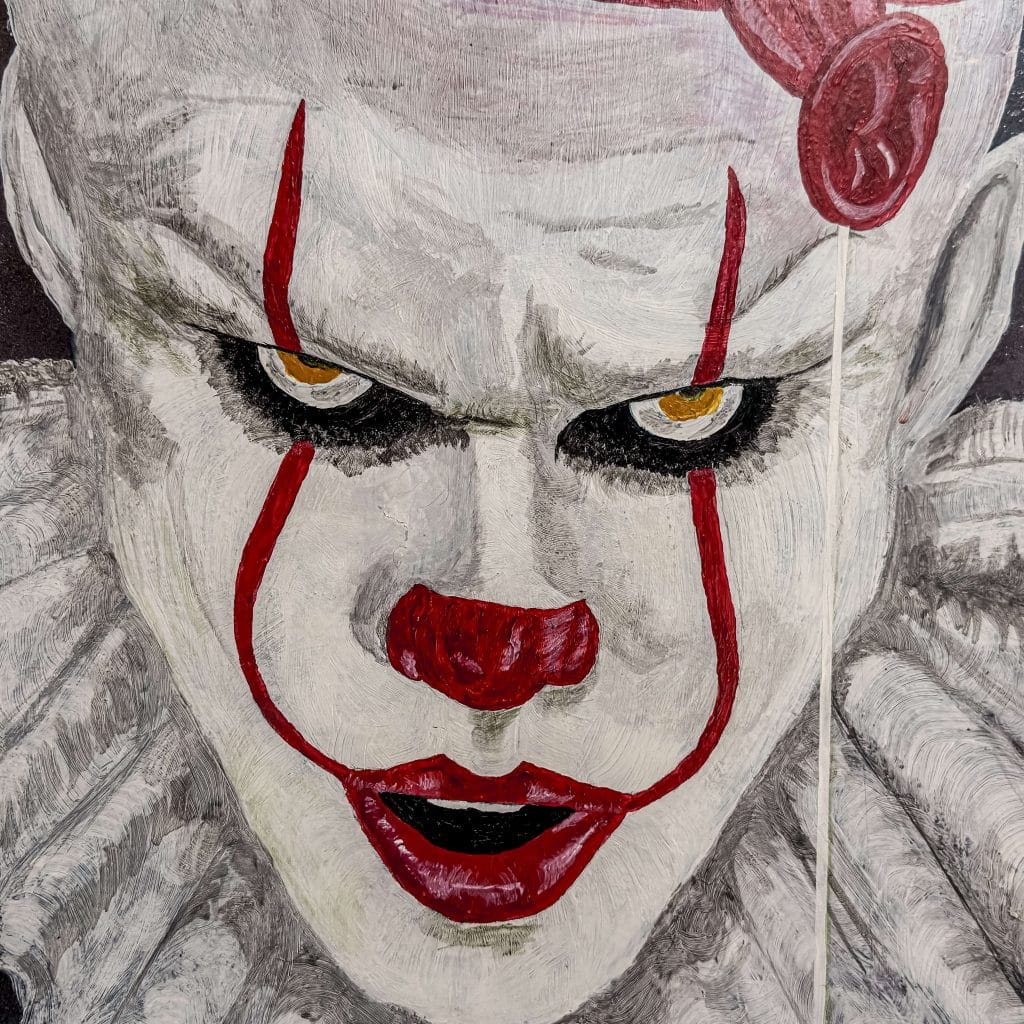
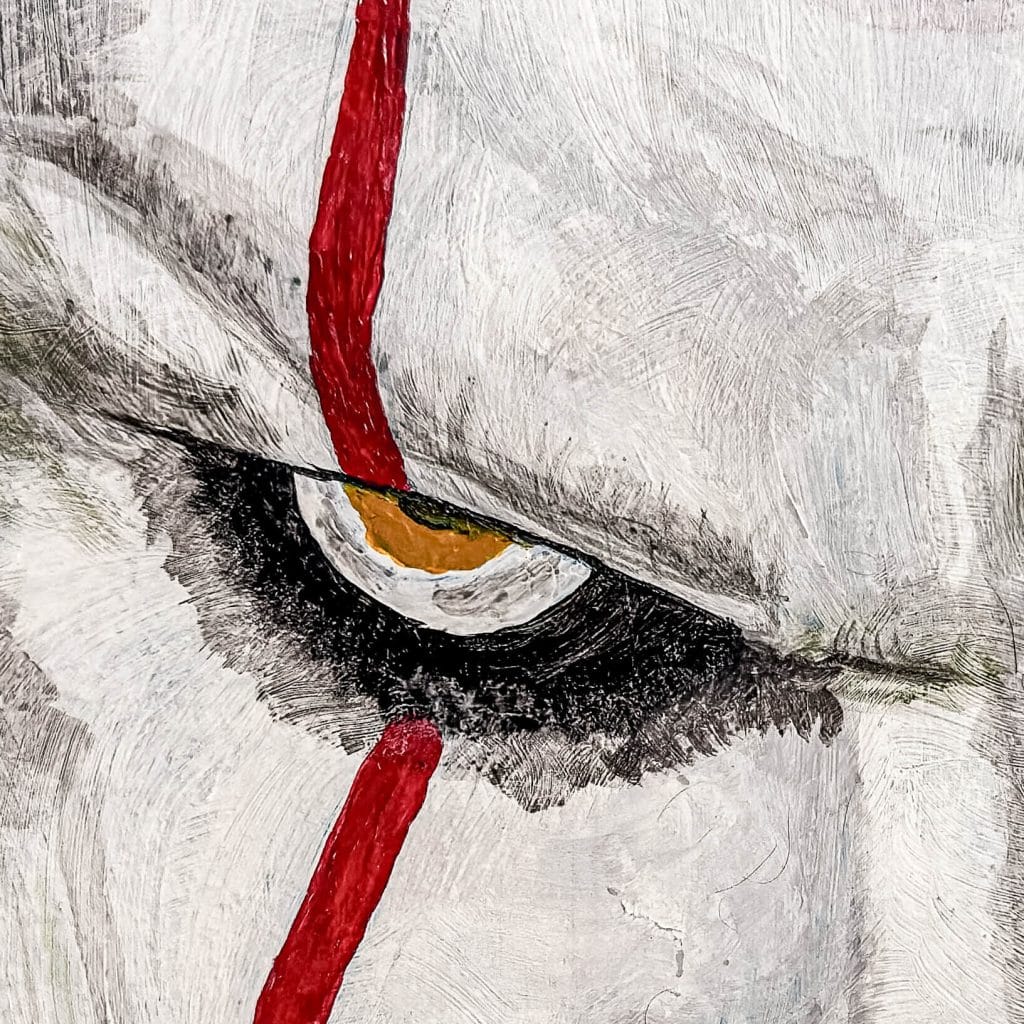
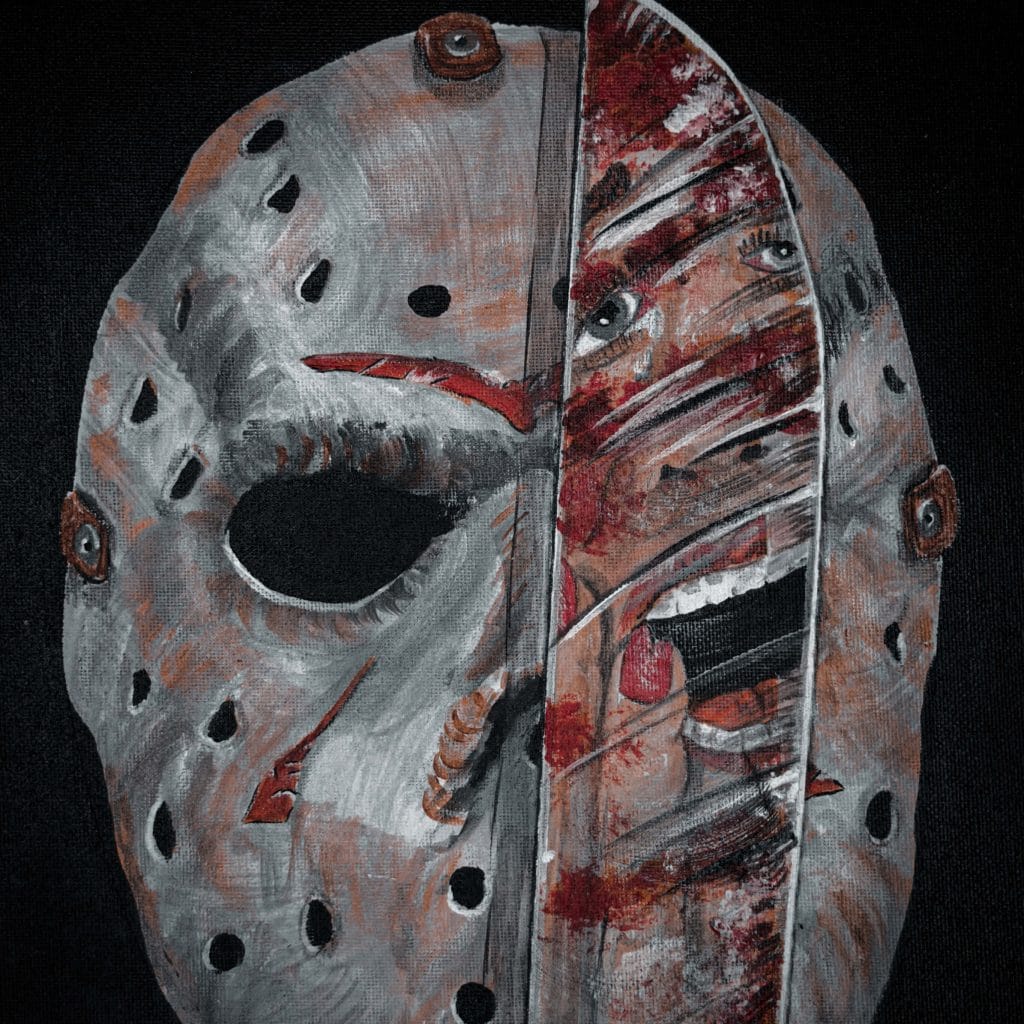
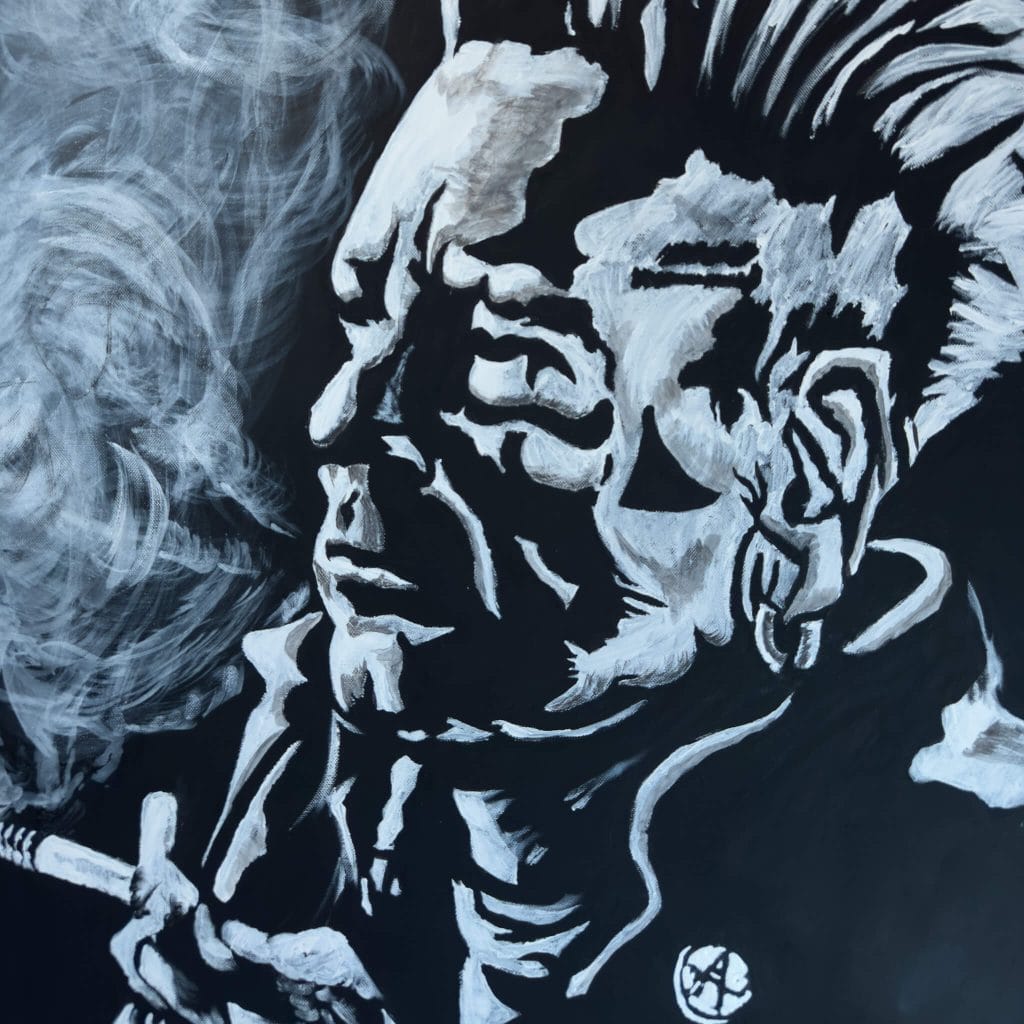
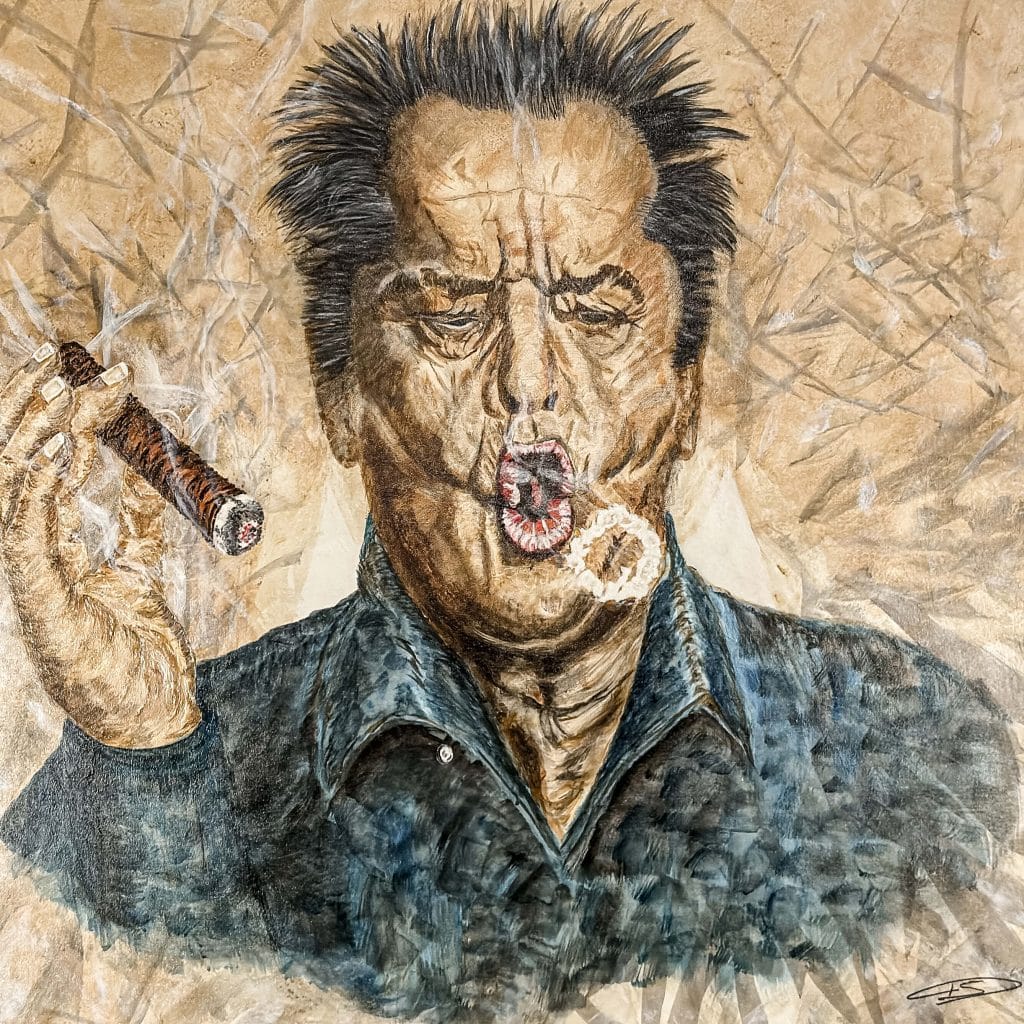
I don’t paint to recreate faces, and I’ve never really been interested in perfect likeness. What draws me in is something less obvious, something that sits just beneath the surface of a subject and lingers long after you’ve stopped looking. Most of my work starts with a figure that already exists in people’s minds, someone familiar, someone recognisable, but the aim is always to strip that back and rebuild it into something quieter, more controlled, and slightly unresolved. There’s a moment early on in every painting where it could go in a number of directions, and that uncertainty is important, because it allows the work to develop naturally rather than forcing it into something too defined too quickly.
What I create and how it evolves

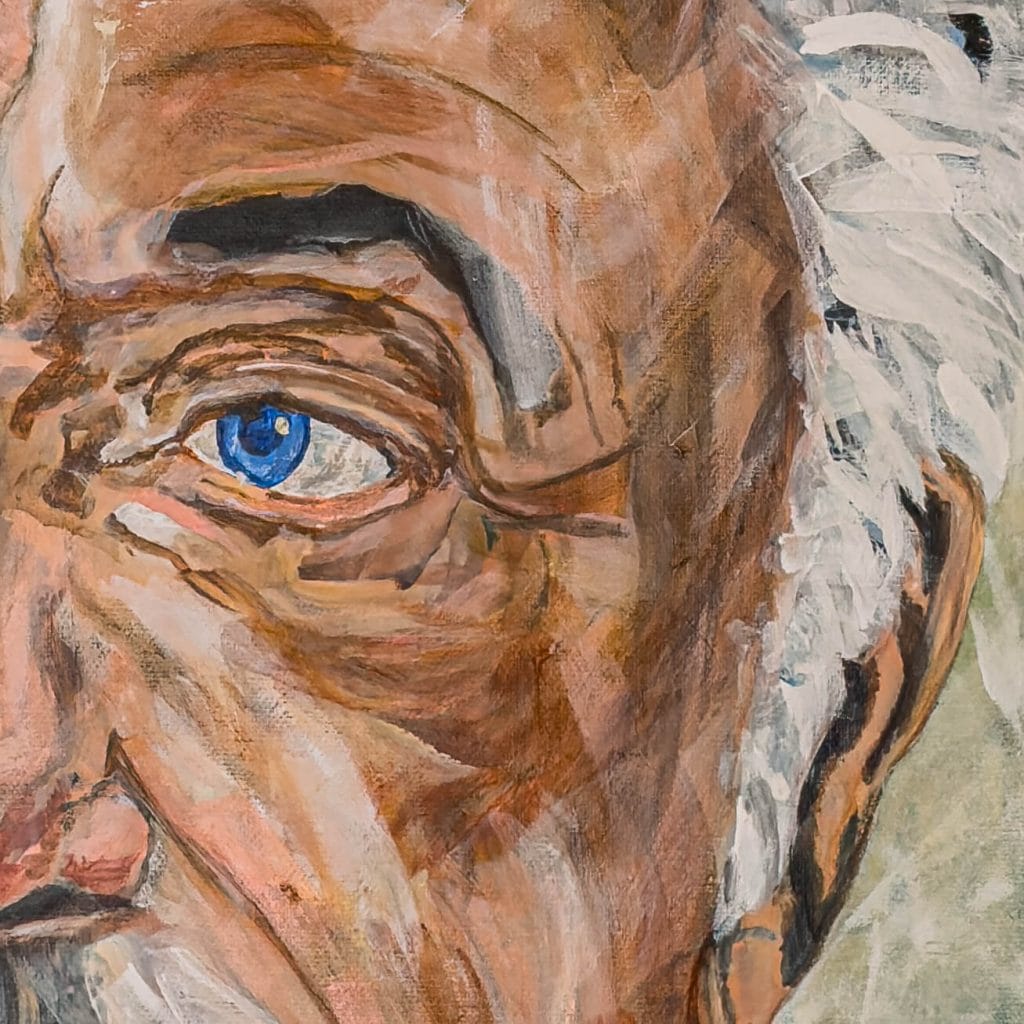
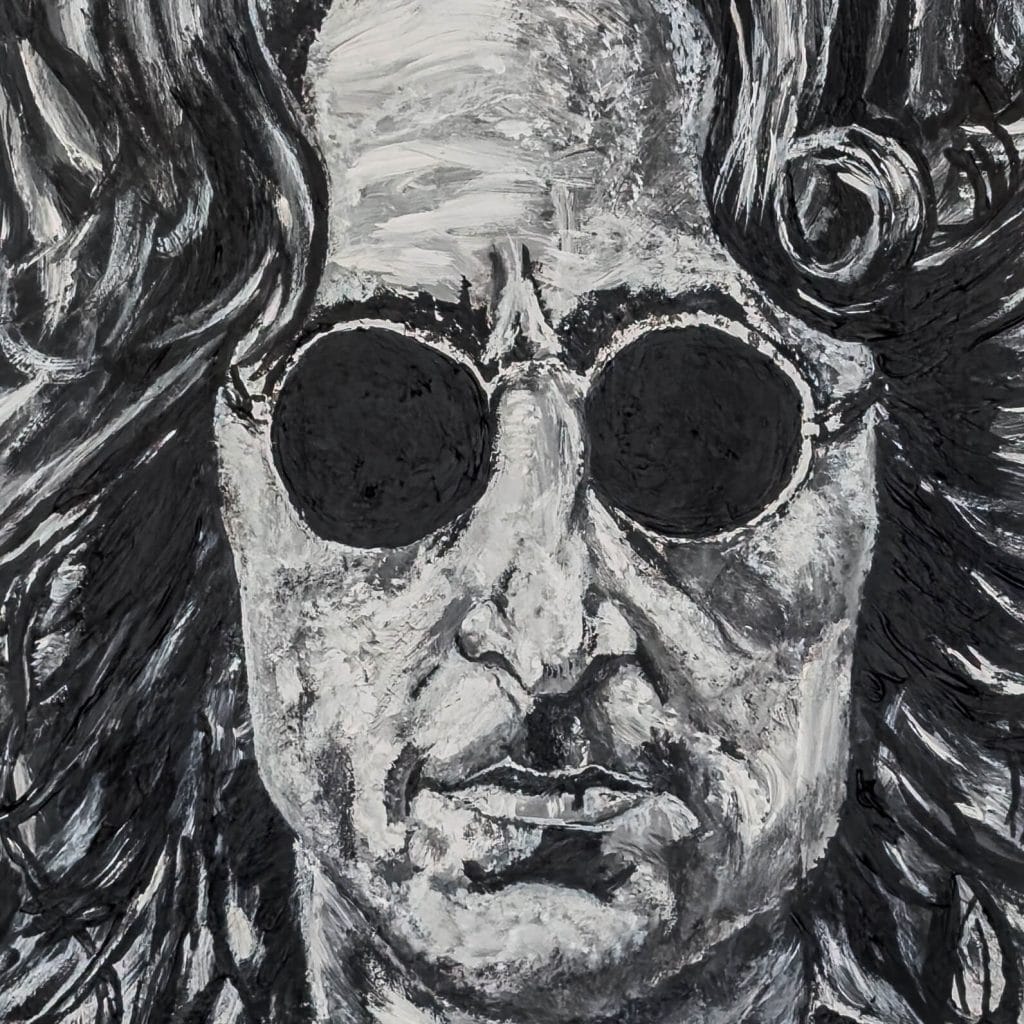
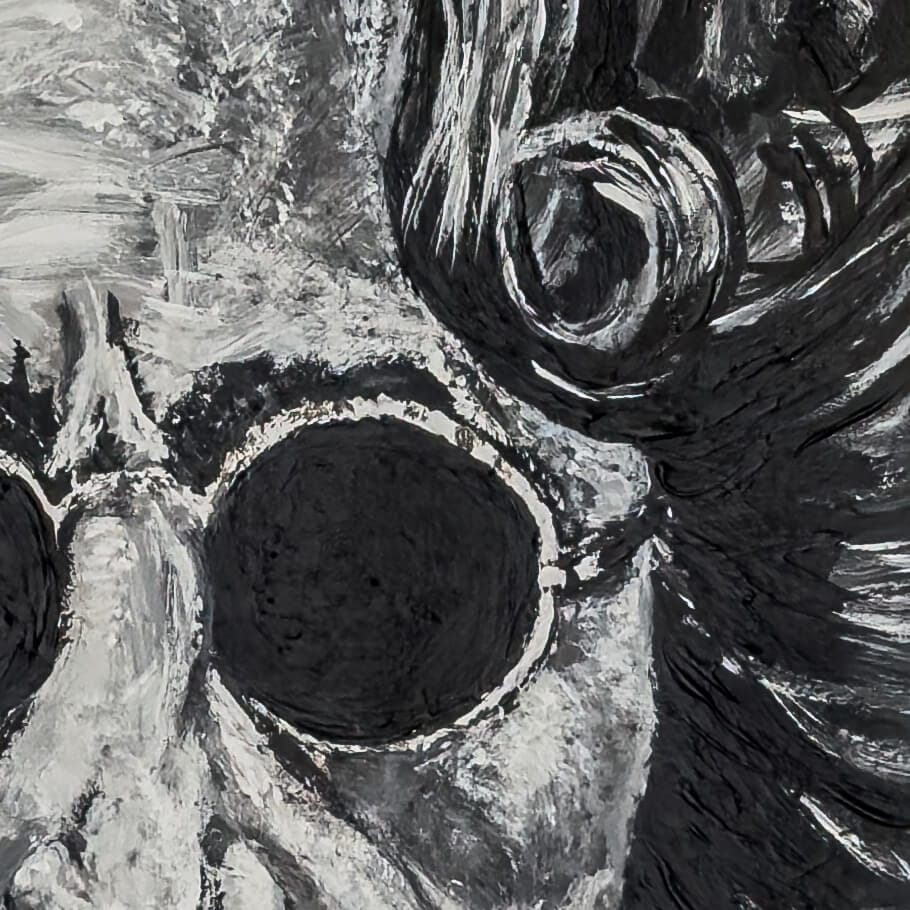
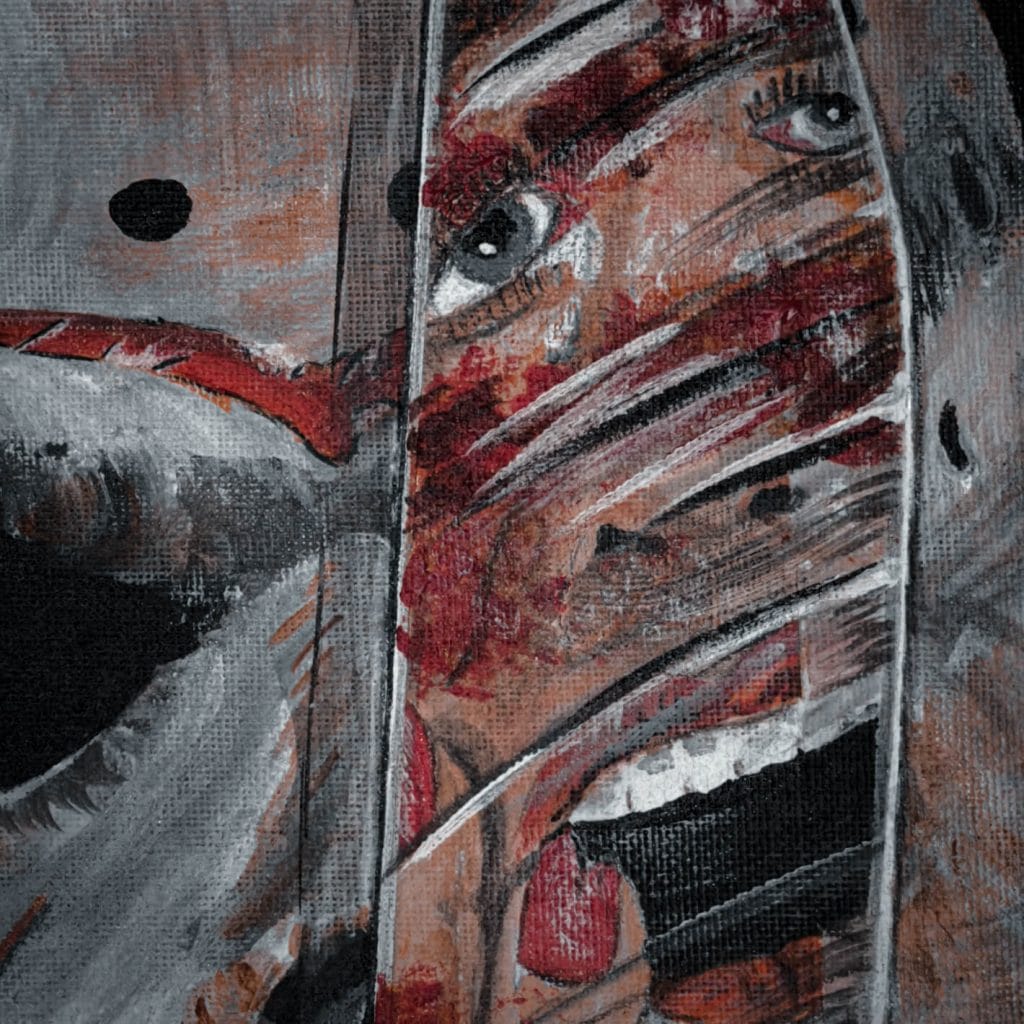
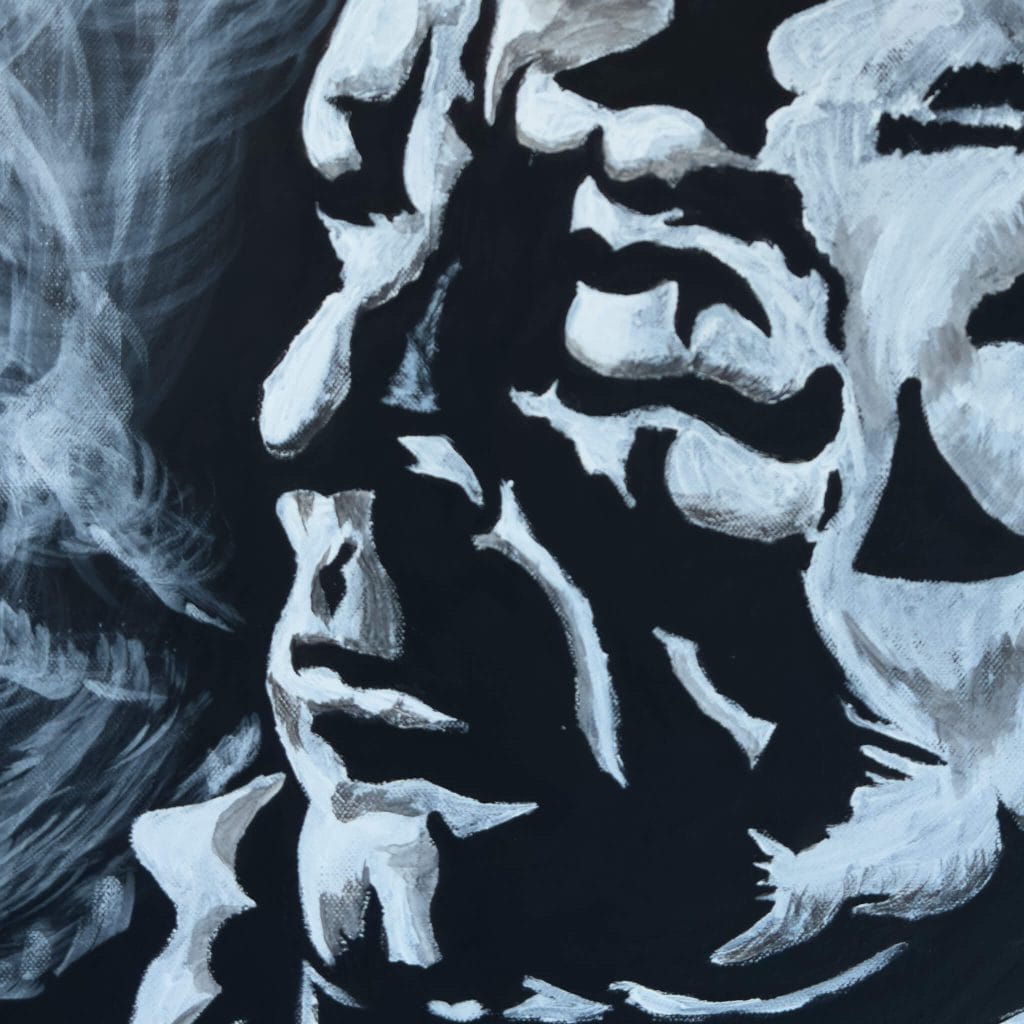
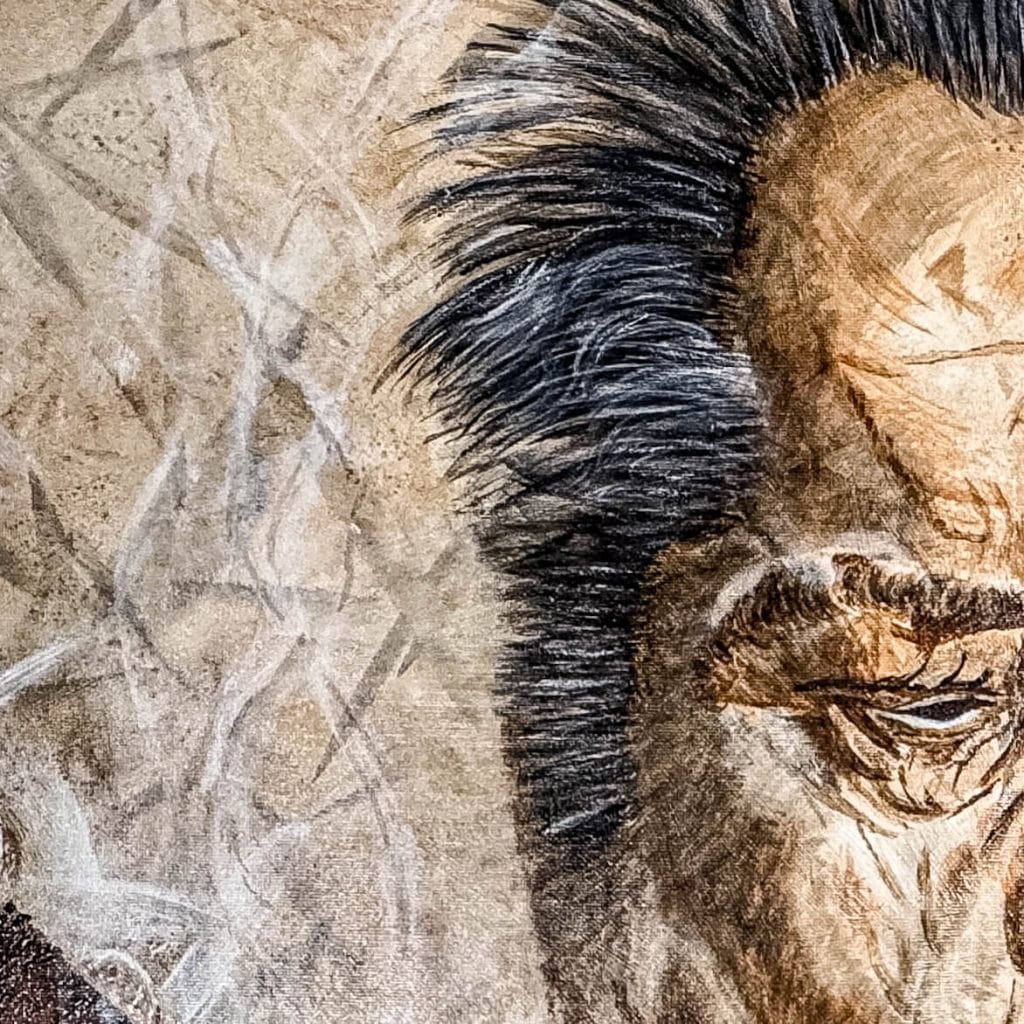
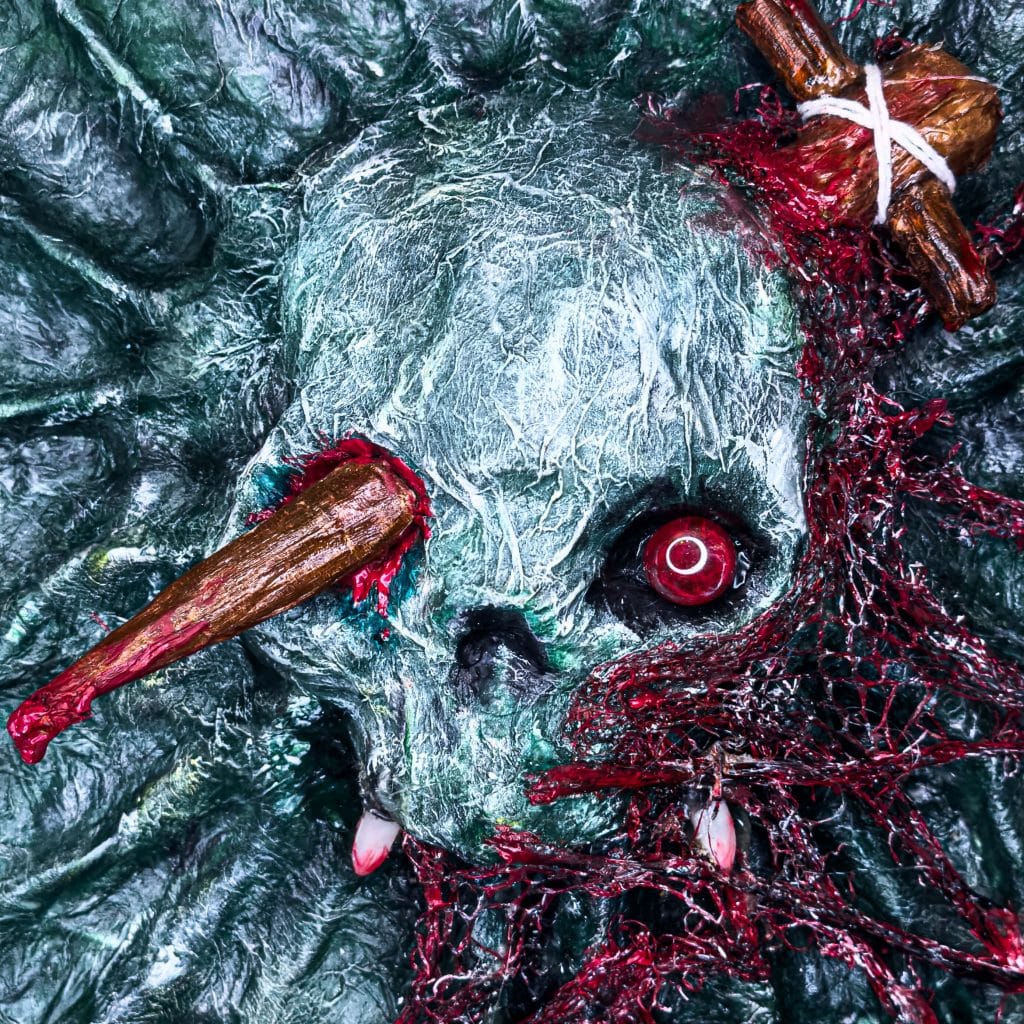
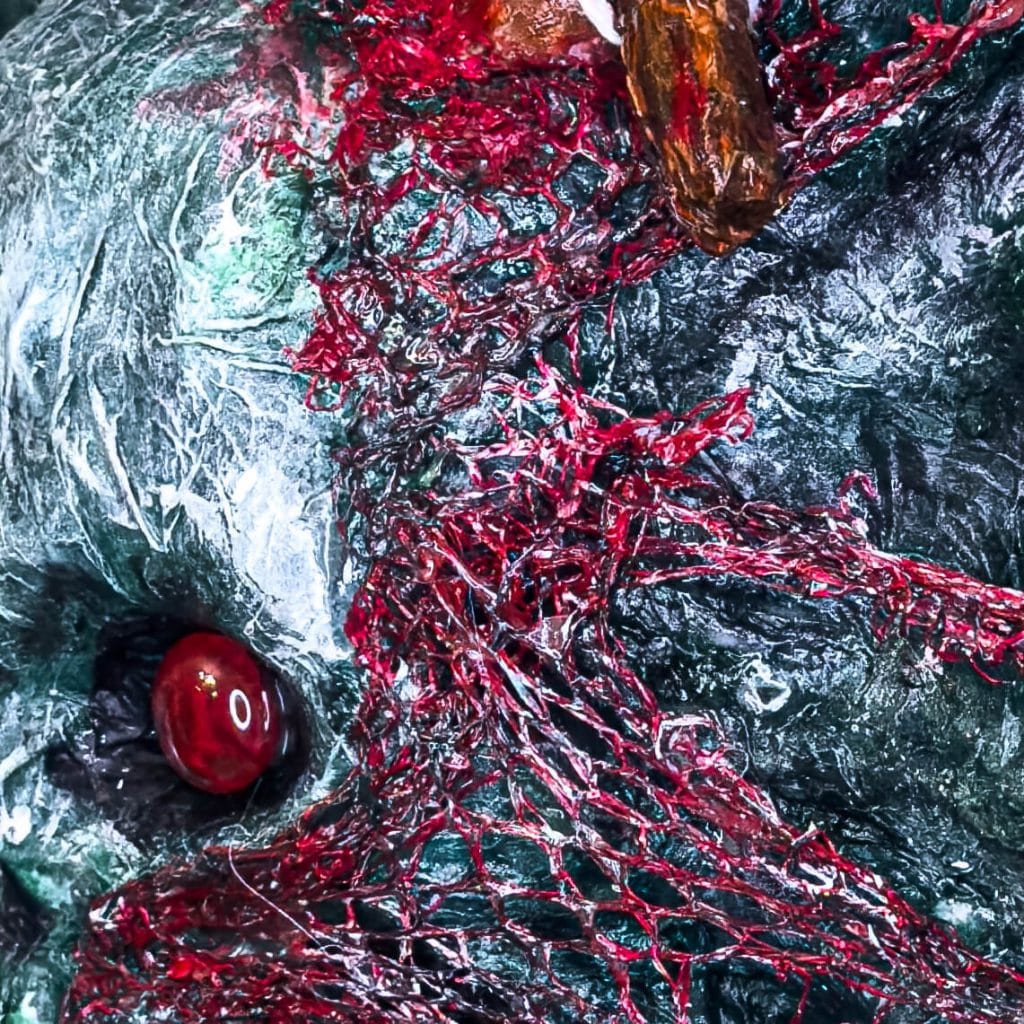
My work sits within contemporary portrait painting, often shaped by influences from music, film, horror and wider pop culture. I’m drawn to subjects like Bob Dylan, Marilyn Monroe, or Jason Voorhees because they already carry a sense of identity, but I’m less interested in presenting that identity clearly and more interested in how it can be reduced, distorted, or simplified into something that feels different. I work primarily with acrylic, building each piece in layers, allowing areas to shift, disappear, or sharpen as the painting develops, and trying to keep a balance between control and instinct so the final piece holds a certain presence without feeling overworked. You can see how this approach carries across different subjects in the Portrait Paintings collection and through more culturally driven pieces in the Pop Culture collection.

Explore Collections

The finished piece and what it becomes

Every painting eventually reaches a point where it feels settled, not perfect, but resolved enough to stand on its own without needing explanation. Some pieces remain available, others move on, but all of them form part of a wider body of work that continues to evolve over time. Even the sold pieces still matter, because they show how the work has changed, what ideas have been explored, and where it might go next. For anyone collecting or simply viewing the work, the connection tends to come from something personal, whether that’s the subject, the mood, or just the way the piece sits in front of you, and that’s really the only thing I’m aiming for, something that holds your attention long enough to feel like it belongs beyond the canvas.