Top 5 choices, to find the perfect surface for your next painting
The Artist’s Journey
For artists, the surface they choose can profoundly influence their creative process and the final outcome of their artworks, finding the perfect surface can be difficult, whether you’re an aspiring painter or an experienced professional, understanding the various surfaces available can enhance your artistic expression. This article delves into different painting surfaces, their benefits, and how they can elevate your work. From the classic canvas to the innovative wall mural, this exploration aims to inspire and inform, helping you select the perfect foundation for your next masterpiece.
Exploring Different Surfaces
Canvas: The Classic Choice
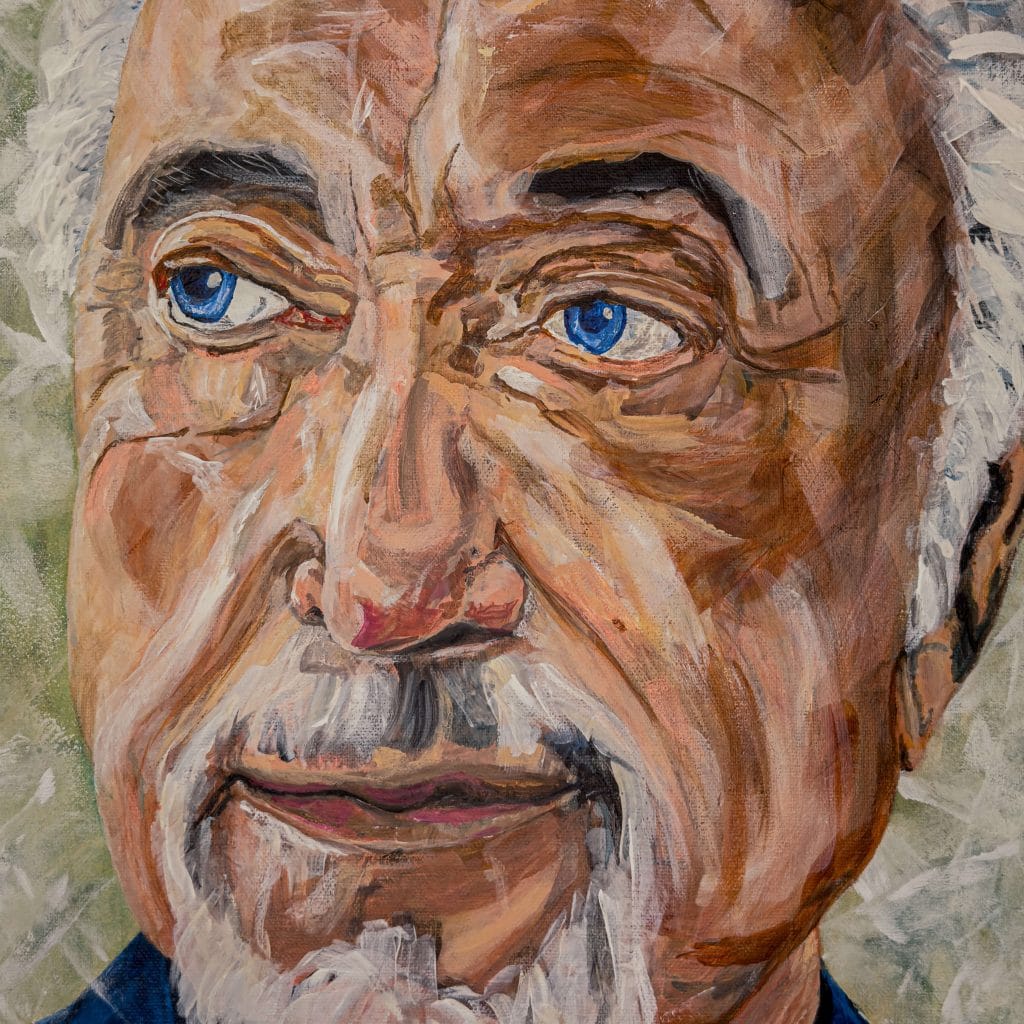
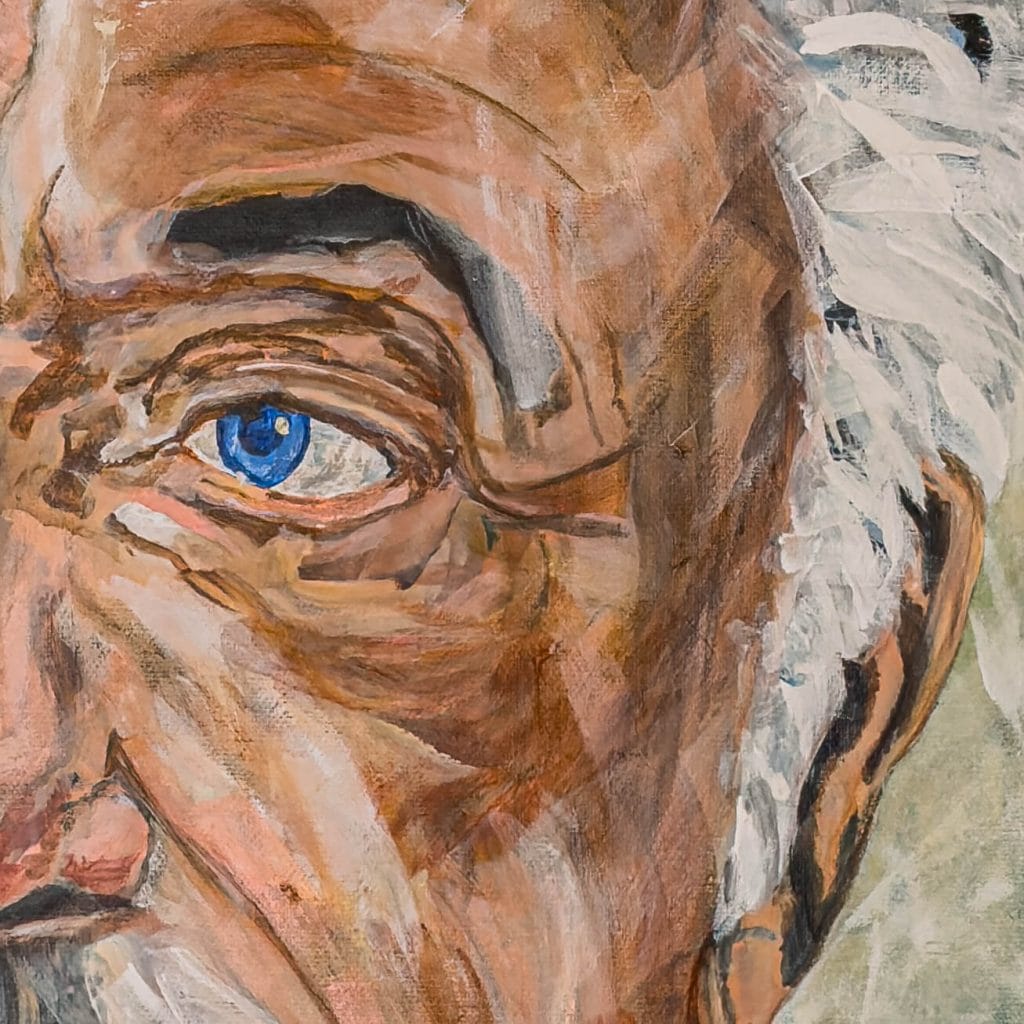
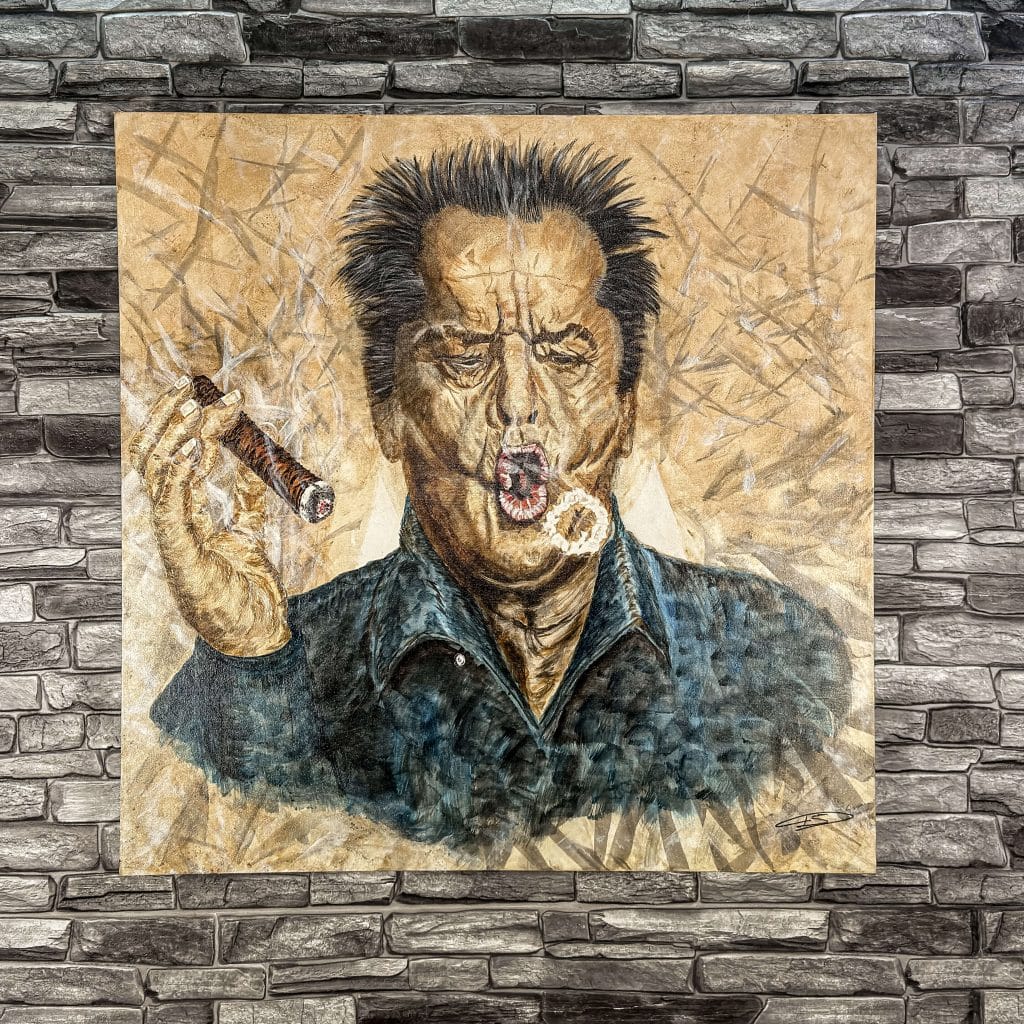
Canvas has long been the go-to surface for artists. Its durability and versatility make it suitable for various mediums, including oil, acrylic, and mixed media. Canvas is typically made from cotton or linen, providing a textured surface that holds paint well. Artists can choose between stretched canvas, which is already framed and ready to hang, or canvas boards, which are more portable and affordable.
The flexibility of canvas allows for both thick impasto techniques and fine detail work. Additionally, it is available in different textures—smooth, medium, and rough—allowing artists to select a surface that aligns with their artistic vision. The adaptable nature of canvas makes it an enduring favourite in the art community.
Wood: Embracing Nature’s Texture
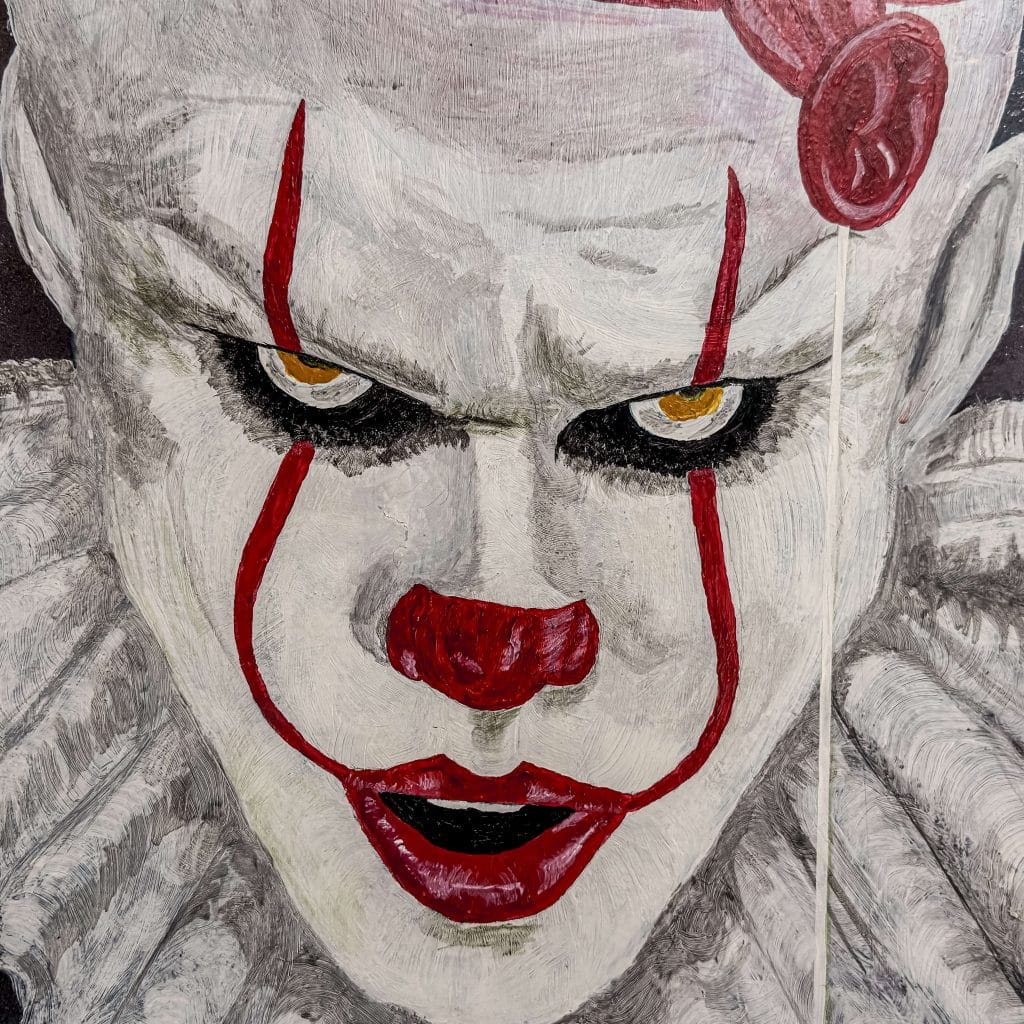
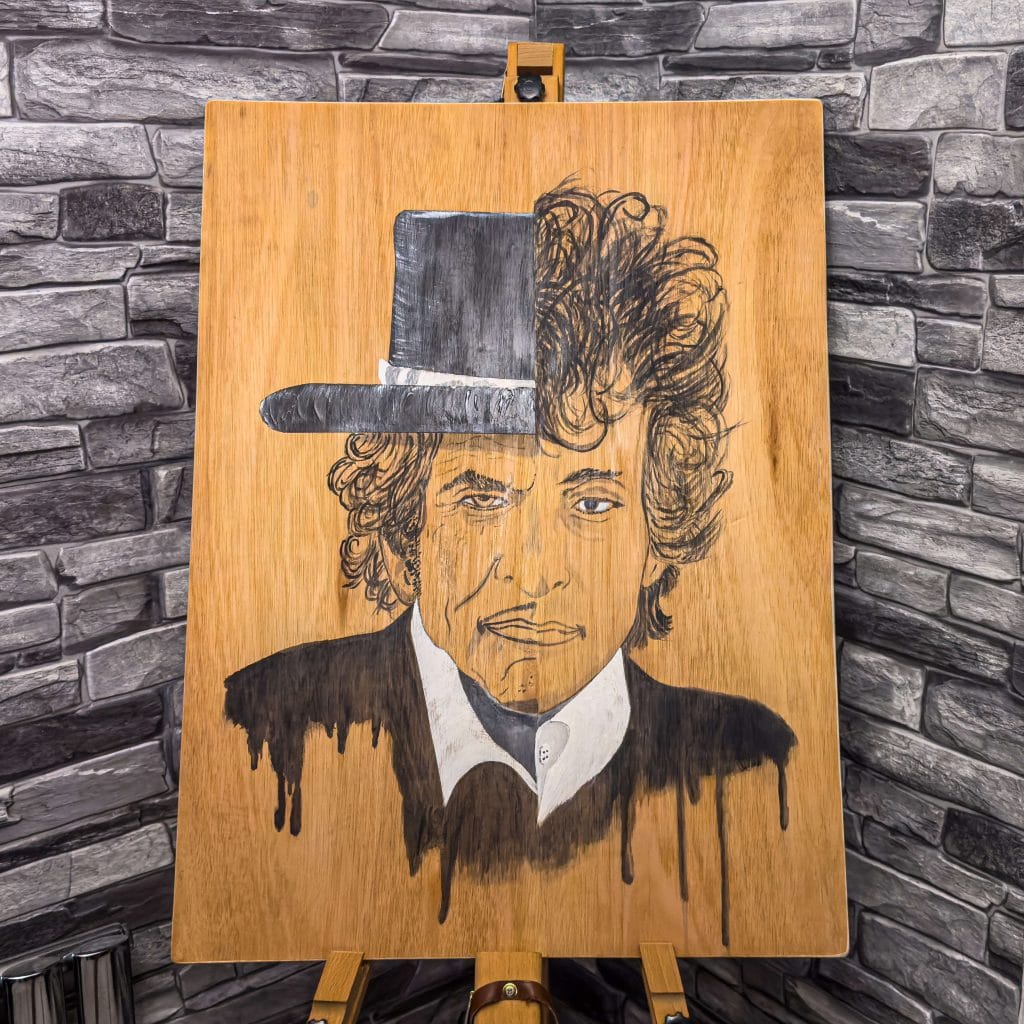
Wood panels offer a unique alternative to canvas. The natural grain and texture of wood can add depth and character to artwork, making each piece distinctive. Artists often favour plywood, birch, or hardboard for their smooth surfaces, which can be easily prepared for painting. This preparation typically involves sanding and priming to ensure the paint adheres properly.
Wood’s rigidity provides a stable surface that can withstand heavier applications of paint and mixed media, making it ideal for those who wish to experiment with different techniques. Furthermore, the organic feel of wooden surfaces often resonates with themes of nature, allowing artists to connect more deeply with their materials.
Paper: Versatility at Its Finest
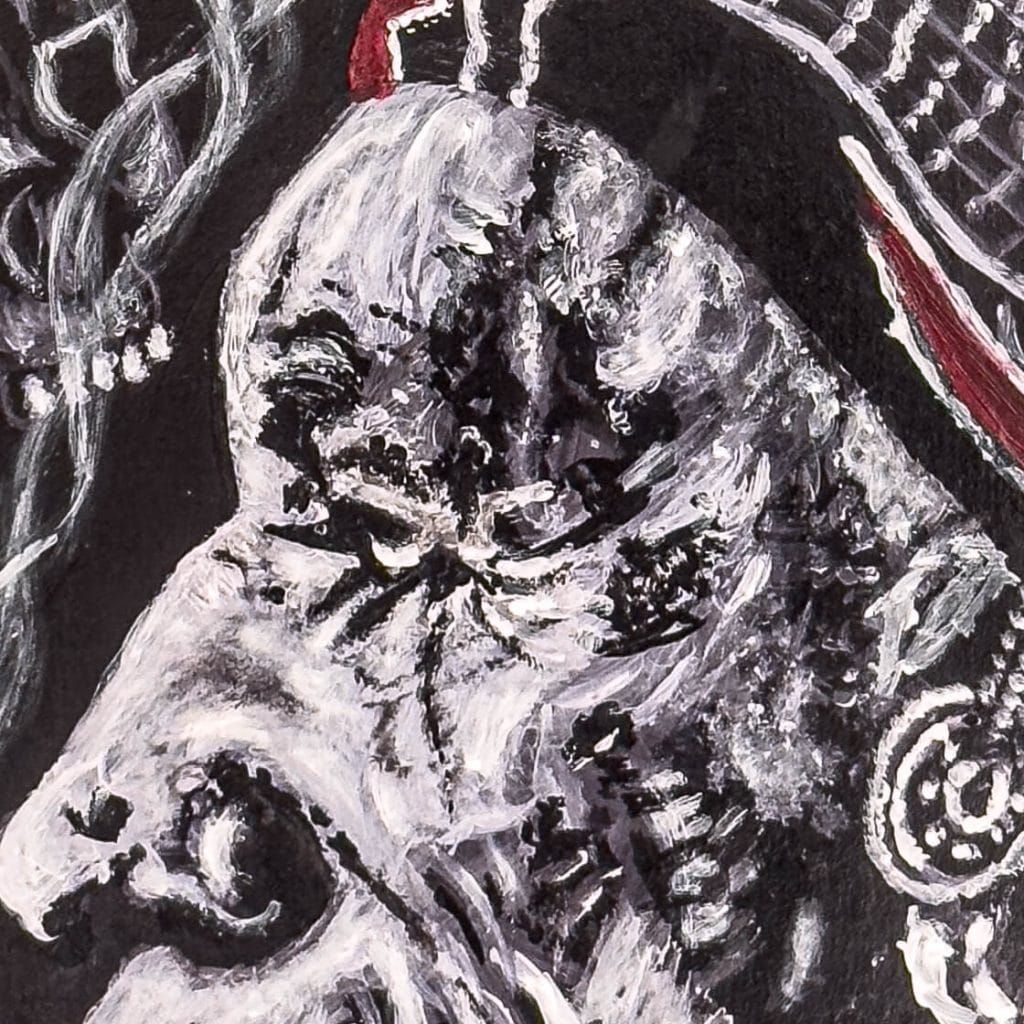
Paper is perhaps the most accessible of all painting surfaces. Available in various weights, textures, and finishes, it caters to a wide range of techniques, from watercolours to gouache and acrylics. Watercolour paper, for instance, is specially designed to absorb water without warping, making it perfect for fluid mediums.
The affordability of paper materials allows artists to experiment freely without the fear of wasting expensive canvases or panels. This versatility encourages practice and exploration, enabling artists to develop their styles. Furthermore, paper can be easily used in conjunction with other surfaces, such as being mounted to wood or canvas for added texture.
Fabric: Bringing Art to Life
Fabric presents a unique and dynamic surface for artists looking to push boundaries. Painted textiles can be used in fashion, home decor, and various mixed-media projects. Artists can work on pre-made items, such as bags and clothing, or create their designs on fabric yards. The potential for fabric to be functional as well as artistic adds an exciting layer to the creative process.
Moreover, painting on fabric requires an understanding of different fabric types and the appropriate paints for each. For example, fabric paints and dyes differ significantly from traditional acrylics, ensuring durability and washing resistance. This surface encourages artists to think outside the conventional frameworks of painting.
Wall Murals: Transforming Spaces
Wall murals represent one of the boldest forms of artistic expression. These large-scale artworks can transform mundane spaces into vibrant environments, making them a favourite for both artists and communities. Murals require thoughtful planning and execution, as they often involve working with diverse surfaces and environments.
The collaborative nature of murals can foster community engagement, providing artists with the opportunity to connect with the local populace. Additionally, muralists often face unique challenges, such as weather conditions and accessibility, which push their creative limits and problem-solving skills. The scale and visibility of murals can leave lasting impressions on audiences, fulfilling an artist’s desire for impactful work.
Benefits of Painting on Each Surface
Canvas: Durability and Flexibility
Canvas provides artists with a robust surface that can endure the test of time. Its ability to handle heavy applications of paint allows artists to explore various techniques without compromising the integrity of their work. Furthermore, a properly primed canvas can resist cracking and fading, ensuring that the artwork remains vibrant for years to come. The flexibility of canvas also permits easy transport and storage, making it a practical choice for artists on the go.
Canvas can be primed and prepared in numerous ways, allowing artists to decide on the type of finish they desire. Some artists prefer a smooth canvas for fine detail work, while others enjoy the texture for a more expressive style. This adaptability provides an excellent foundation for both beginner and seasoned artists looking to explore different techniques, and for most, be considered the perfect surface to paint on.
Wood: Unique Grain Patterns
The natural aesthetic of wood offers an organic feel that artificial surfaces cannot replicate. Each wooden panel brings its unique grain patterns and character, which can influence the mood and essence of the artwork. Artists often find that the interplay of paint and natural wood grain adds richness and complexity to their pieces.
The stability of wood is advantageous, especially for artists who work with mixed media or heavier applications. This sturdiness means that artworks on wood are less likely to warp or buckle over time, ensuring longevity. However, the preparation process is essential to avoid issues such as paint peeling, making it a surface that encourages artists to engage thoughtfully with their materials.
Paper: Accessibility and Experimentation
Paper’s affordability makes it an attractive option for artists at all skill levels. The availability of various types of paper allows artists to experiment with different mediums without significant financial investment. This accessibility encourages exploration, enabling artists to develop their unique styles and techniques.
The lightweight nature of paper also facilitates easy transport, allowing artists to create on-the-go. Sketchbooks and pads can accompany artists to various locations, providing them with the freedom to capture inspiration as it strikes. This freedom fosters creativity, making paper an essential surface for many artists.
Fabric: Movement and Wearability
Fabric offers artists the opportunity to create works of art that can move and breathe, such as wearable art or decorative textiles. The ability to paint on fabric opens a world of possibilities for functional art, allowing artists to integrate their designs into everyday life. This fusion of art and utility can lead to innovative projects that challenge conventional definitions of art.
Furthermore, fabric is often used in collaborative projects, such as community quilts or banners, allowing artists to engage with their communities in meaningful ways. The tactile nature of fabric also encourages a deep connection between the artist and their work, promoting a sensory experience that transcends visual art alone.
Wall Murals: Community and Expression
Wall murals serve as powerful tools for community expression and cultural representation. They can reflect local history, celebrate diversity, and create a sense of pride among residents. Artists working on murals often collaborate with community members, ensuring that the artwork resonates with those who will inhabit the space. This participatory approach can foster stronger community bonds and create lasting impressions that enrich public spaces.
Additionally, the sheer size of murals allows for bold, impactful statements that can challenge societal norms and provoke thought. The visibility of murals means they can reach a broad audience, making them a critical medium for social change. Artists who utilise this surface have the unique opportunity to leave a mark on a larger scale, blending their artistic vision with community narratives.
Creating Mood Boards for Inspiration
The Importance of Visual Planning
Mood boards are an essential tool for artists, serving as a visual compass that guides creative decisions. They allow artists to compile images, textures, colours, and materials that resonate with their intended project. Through this process, artists can clarify their vision, ensuring that their chosen surface aligns with the overall aesthetic they wish to achieve.
Creating a mood board can also stimulate creativity, providing a space for exploration and experimentation. Artists might discover unexpected combinations of colours or textures that inspire new ideas, helping them to break free from creative blocks. This visual planning phase is vital for establishing a cohesive direction before diving into the actual creation process.
How Mood Boards Influence Surface Selection
The surface chosen for an artwork can significantly impact its final appearance. By using a mood board, artists can visualise how different surfaces interact with their selected colours and techniques. For instance, a rough canvas might accentuate texture, while smooth wood may lend itself to fine detail work. Understanding these dynamics helps artists make informed choices, ensuring that their surfaces enhance rather than detract from their artistic vision.
Mood boards can also help identify the best medium for a specific surface. For example, an artist might use their mood board to explore how acrylics behave on paper versus canvas, ultimately leading to a more successful outcome. This thoughtful approach not only saves time but can also prevent frustration during the creation process.
Finding Your Perfect Surface
In the journey of artistic expression, the surface you choose to paint on can significantly influence your work’s outcome. Whether you prefer the traditional canvas, the organic texture of wood, the versatility of paper, the innovation of fabric, or the community engagement of wall murals, each surface offers unique opportunities for creativity. By understanding the benefits and characteristics of each option, you can make informed choices that align with your artistic vision, and find your perfect surface.
FAQs
What is the best surface for beginners?
For beginners, paper is often considered the best surface due to its affordability and accessibility. It allows for experimentation without the pressure of wasting expensive materials. Additionally, paper is versatile and can accommodate various mediums.
Can you paint on any type of wood?
While you can technically paint on any type of wood, it’s recommended to use surfaces that have been properly prepared. Plywood and birch are popular choices due to their smooth surfaces and durability, but always ensure the wood is sanded and primed for the best results.
How do I prepare my canvas for painting?
Preparing a canvas typically involves stretching it over a frame and applying gesso, which primes the surface for paint. Gesso helps the paint adhere better and prevents it from soaking into the canvas, enhancing the vibrancy of your colours.
What kind of paint is best for fabric?
Fabric paint is specifically designed for use on textiles. It allows for flexibility and durability, ensuring the artwork can withstand wear and washing. Acrylic paint can also be used on fabric if mixed with a fabric medium to enhance its wash resistance.
How do murals affect community spaces?
Murals can significantly enhance community spaces by promoting local culture and history, fostering a sense of pride among residents, and beautifying otherwise dull environments. They often serve as a platform for social commentary and community engagement.