Discover the Joy of Acrylic Canvas Painting
Introduction: The Allure of Acrylics
Acrylic canvas painting has carved out a distinct and vibrant niche in the art world, drawing attention from collectors, designers, and entrepreneurs alike. This medium, celebrated for its versatility, rapid drying time, and wide range of colours, offers artists an opportunity to express their creativity in ways that can range from serene to wildly abstract. As we delve into the world of acrylic painting, we will explore the processes, techniques, and emotional depth that this art form can convey.
Whether you are a seasoned artist or a casual observer, understanding acrylics will deepen your appreciation for the art and the stories it tells. From the choice of materials to the emotional impact of the artworks, each element plays a crucial role in creating a masterpiece. So, grab your brushes and let’s embark on a journey through the colorful landscape of acrylic canvas painting!
Why Acrylics? The Artist’s Choice
Acrylic paints have become a favourite among artists for many reasons. Unlike oil paints, which can take weeks to dry, acrylics dry relatively quickly, allowing for spontaneous creativity and layering without long waits. This characteristic makes acrylics perfect for artists who thrive on spontaneity and experimentation. Additionally, the water-based formula of acrylics makes them easy to clean up, which is another bonus for artists who enjoy painting in various environments.
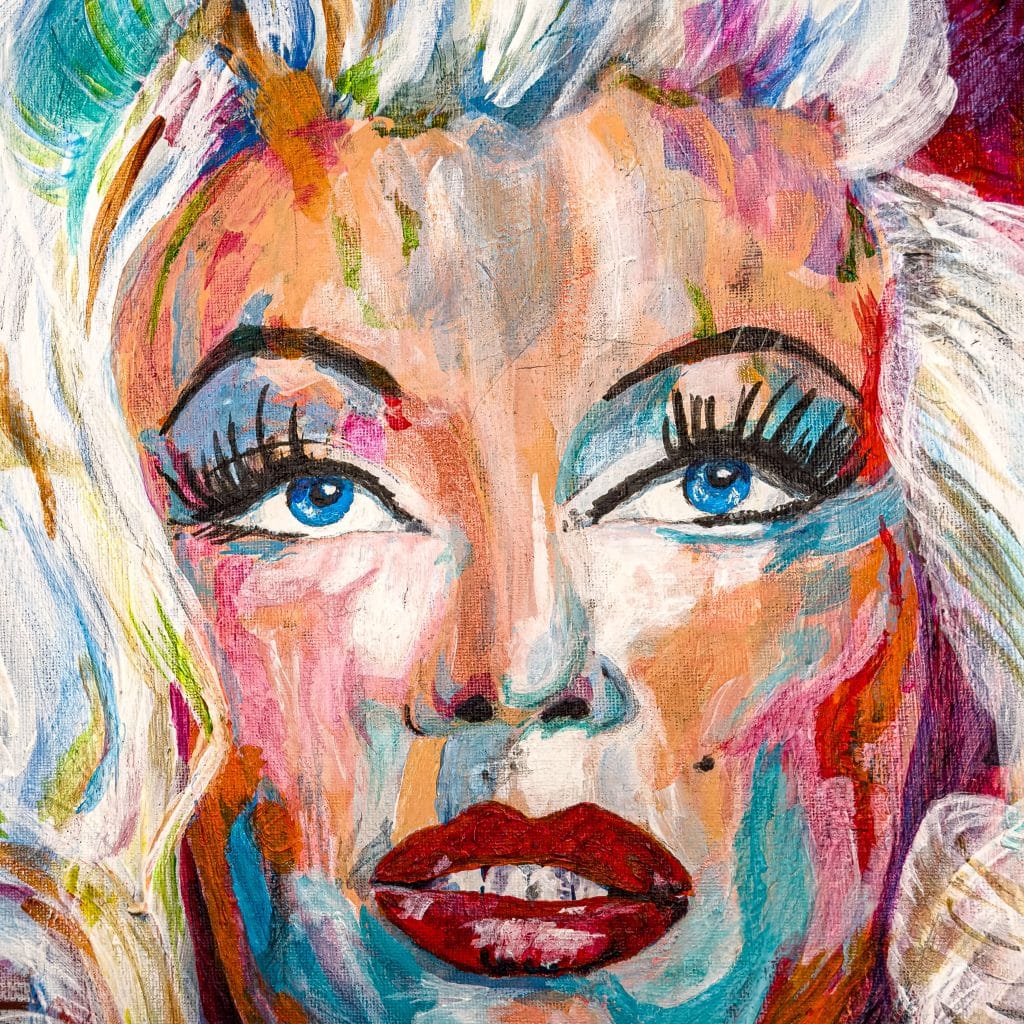
The vibrant colours that acrylics can achieve are another reason for their popularity especially with acrylic canvas painting. They can be easily mixed, leading to an expansive palette that can suit any style or mood. From bold, saturated hues to soft pastel shades, the flexibility in colour choice allows artists to communicate their vision effectively. This dynamic quality often results in emotionally charged works that resonate deeply with the viewers.
The Emotional Palette: What Colours Speak
Colour psychology plays an essential role in art, particularly in acrylic painting. Each colour conveys different emotions and meanings. For instance, reds can evoke passion and energy, while blues often bring feelings of calmness and tranquility. Understanding the emotional impact of colour can help artists create pieces that resonate on a deeper level. Artists often choose their colours based not just on aesthetics, but also on the emotional response they wish to evoke in the viewer.
In acrylic painting, layering and glazing techniques enable artists to manipulate the emotional tone of their works further. By applying washes of colour or transparent layers over base hues, an artist can create a feeling of depth and complexity. This interaction of colours can transform a simple canvas into a rich tapestry of emotions, drawing the viewer in and encouraging a personal connection to the artwork.
Chapter 1: The Creative Process
Finding Inspiration: Where Ideas Bloom
Every artist’s journey begins with inspiration. Whether it comes from nature, personal experiences, or the bustling world around them, finding a spark can ignite creativity. Many artists keep sketchbooks or journals to capture fleeting ideas or use mood boards, turning to them when they feel stuck. Inspiration might strike in the most unexpected of places, such as a bustling street corner, a quiet forest, or even a vivid dream. Recognising these moments and allowing them to guide the creative process is crucial for artists.
Moreover, collaboration can be a significant source of inspiration. Engaging with fellow artists, attending galleries, or even casual conversations about art can lead to new ideas and perspectives. The vibrant art community offers an ocean of experiences that can inspire fresh directions in an artist’s work. Ultimately, following one’s inspiration, no matter how unconventional, is a key step in the artistic journey.
The Blank Canvas: Embracing Fear and Freedom
The moment before applying the first stroke of paint can be one of the most daunting for any artist. The blank canvas serves as a symbol of potential, yet it can also create a sense of pressure. Artists often battle with self-doubt and fear of failure, which can lead to procrastination. However, embracing this fear is part of the journey. Instead of succumbing to the anxiety of perfection, artists can view the blank canvas as a space for exploration and freedom.
Many artists adopt techniques to overcome this initial fear. Some choose to start with a simple sketch or an abstract wash of colour to break the tension. Others may employ a mantra or remind themselves that their creation does not need to be perfect; it just needs to exist. This mindset shift allows artists to engage with their canvas authentically, leading to unexpected and beautiful results.
Chapter 2: Techniques and Tips
Brushes, Blends, and Beyond
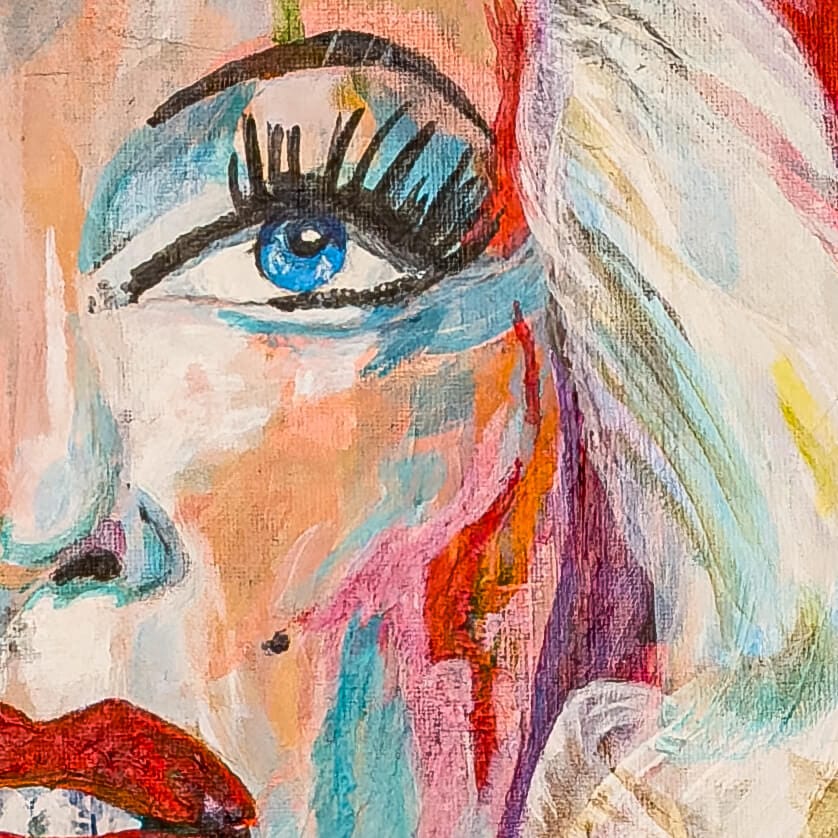
Understanding the tools of acrylic painting is crucial for any artist looking to elevate their work. Brushes come in various shapes and sizes, each serving a different purpose. From fine detail brushes to wide flat brushes, the choice of tool can significantly affect the final outcome. Experimenting with various brushes can help artists discover unique textures and effects, adding depth to their paintings.
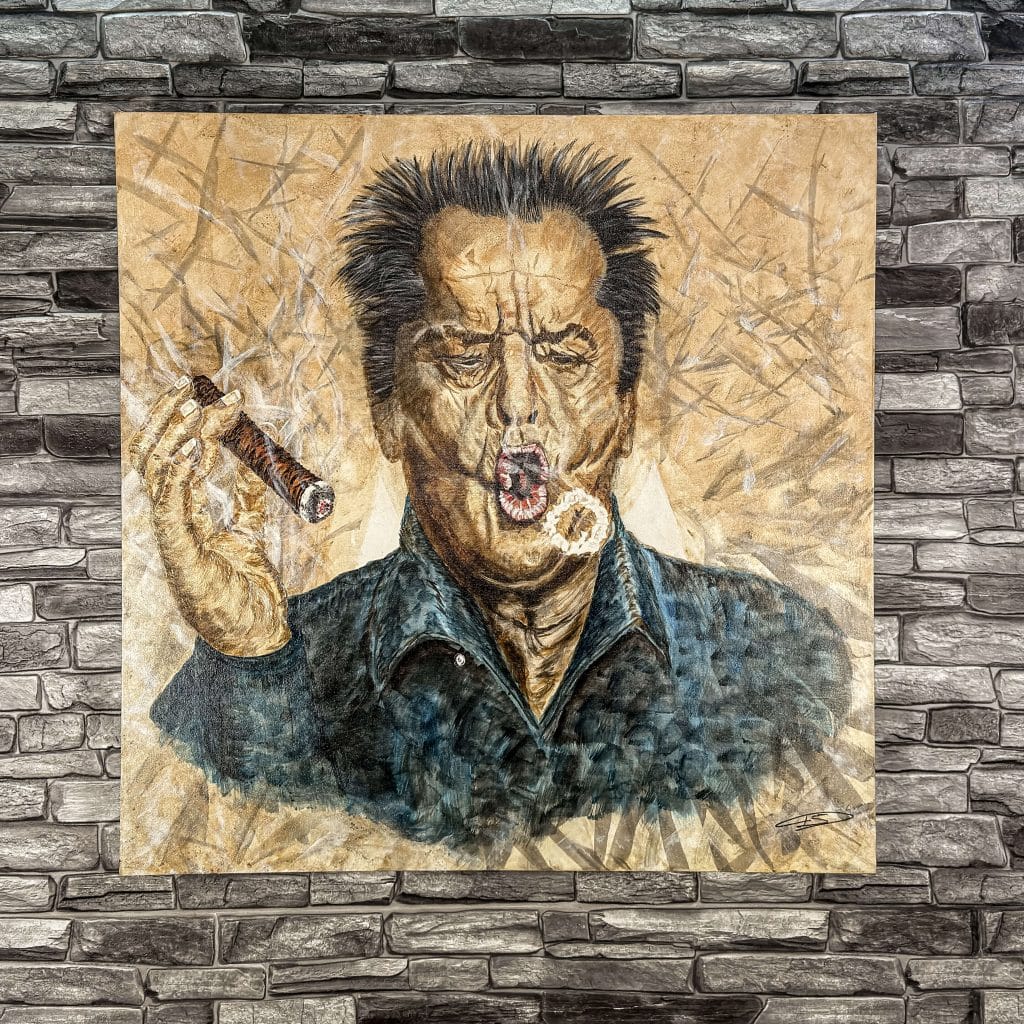
Blending colours is another essential technique in acrylic painting. With their fast-drying nature, acrylics can dry quickly, making it vital to work efficiently. Techniques like wet-on-wet blending allow artists to merge hues directly on the canvas, creating gradients and soft transitions. On the other hand, dry brushing can add texture and dimension, giving the artwork an intriguing visual quality. Understanding these techniques can open up a world of possibilities for artists, allowing them to express their vision with precision.
Layering: Building Depth and Dimension
Layering is one of the most effective techniques in acrylic painting that allows artists to create depth and complexity. By applying multiple layers of paint, artists can achieve a sense of dimension that brings their works to life. This technique can also help in correcting mistakes or enhancing existing details, providing a safety net for artists navigating their creative process.
When layering, it is essential to allow each layer to dry before applying the next. This not only prevents muddiness but also allows for clearer colours and sharper details in the finished piece. Glazing, which involves applying a thin, transparent layer of paint over dried layers, can add luminosity and richness to the artwork. Mastering the art of layering can transform a flat canvas into a dynamic and engaging visual story.
Chapter 3: The Impact of Acrylics on Contemporary Art
Acrylics in the Modern Scene: A Shift in Aesthetics
The introduction of acrylic paints in the mid-20th century revolutionised the art world. Artists began to experiment with this new medium, creating innovative styles that challenged traditional methods. The immediacy and versatility of acrylics allowed for unique explorations in abstraction, expressionism, and even realism. Contemporary artists have embraced these qualities, leading to a resurgence of acrylic painting in galleries and exhibitions worldwide.
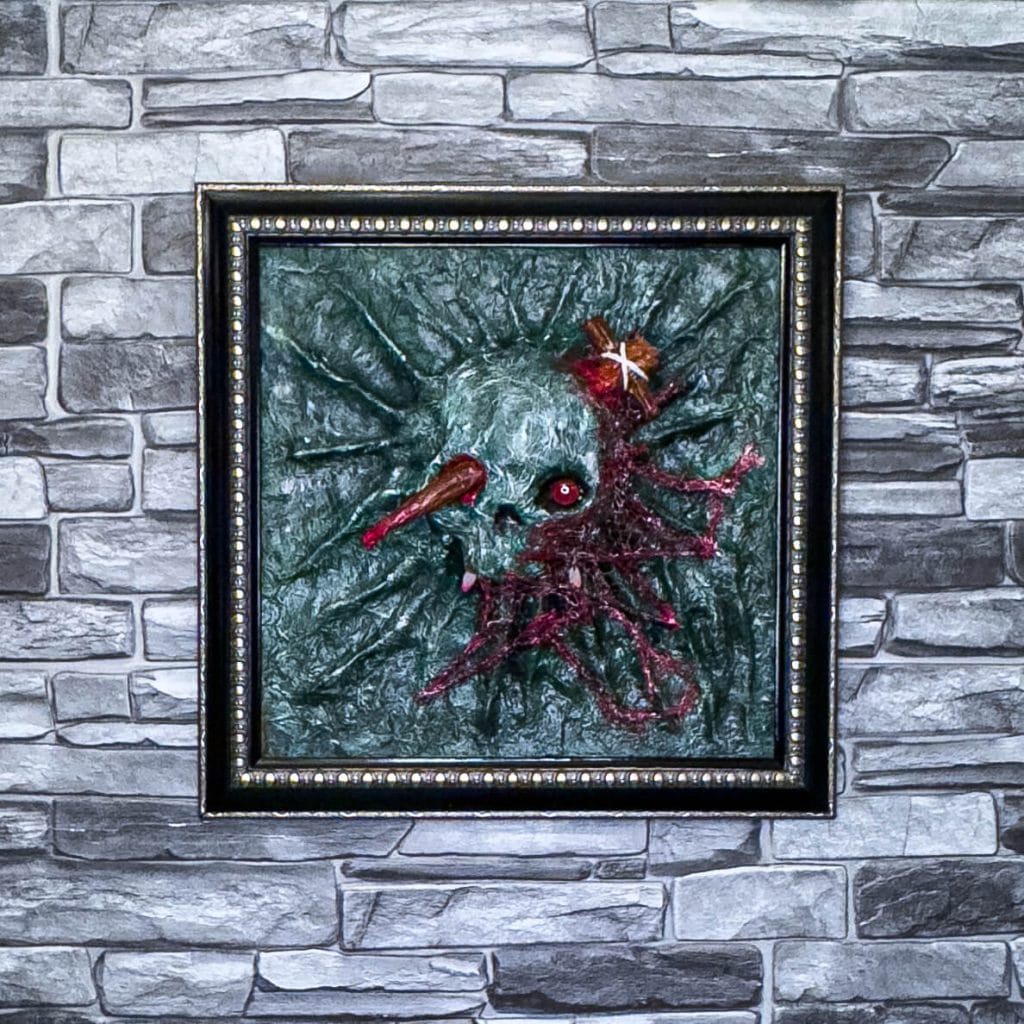
Acrylics have also played a role in various art movements, from Pop Art to Street Art. Artists like Andy Warhol and Jean-Michel Basquiat used acrylics to create bold, graphic works that still resonate today. The adaptability of acrylics means they can be used in conjunction with other mediums, leading to mixed-media masterpieces that push the boundaries of traditional art forms.
Collectors’ Corner: What to Look For
For collectors, understanding the nuances of acrylic canvas paintings can enhance their ability to curate a meaningful collection. When considering a piece, pay attention to the artist’s technique and emotional expression. Unique applications of layering, blending, and texture can indicate the artist’s skill and intention. Moreover, the story behind a piece, the inspiration, the creation process, can significantly enhance its value and relevance.
Collectors should also consider the artist’s trajectory and reputation. Emerging artists may offer pieces at accessible prices, while established artists tend to command higher value. Building a collection involves not just selecting works that resonate personally but also appreciating the artist’s place within the wider art community. Ultimately, a thoughtful collection can reflect both aesthetic pleasure and a deep understanding of contemporary art movements.
Chapter 4: Personal Stories from Artists
Artist Spotlight: Journeys Through Colour
Every artist has a unique story that informs their work. For many, the journey of mastering acrylic painting reflects personal growth and exploration. Take, for example, a local artist who started painting as a form of therapy after experiencing loss. Through the vibrant hues of acrylics, they found solace, channeling their emotions into each stroke. This personal connection to their work imbues their pieces with a depth that resonates with viewers.
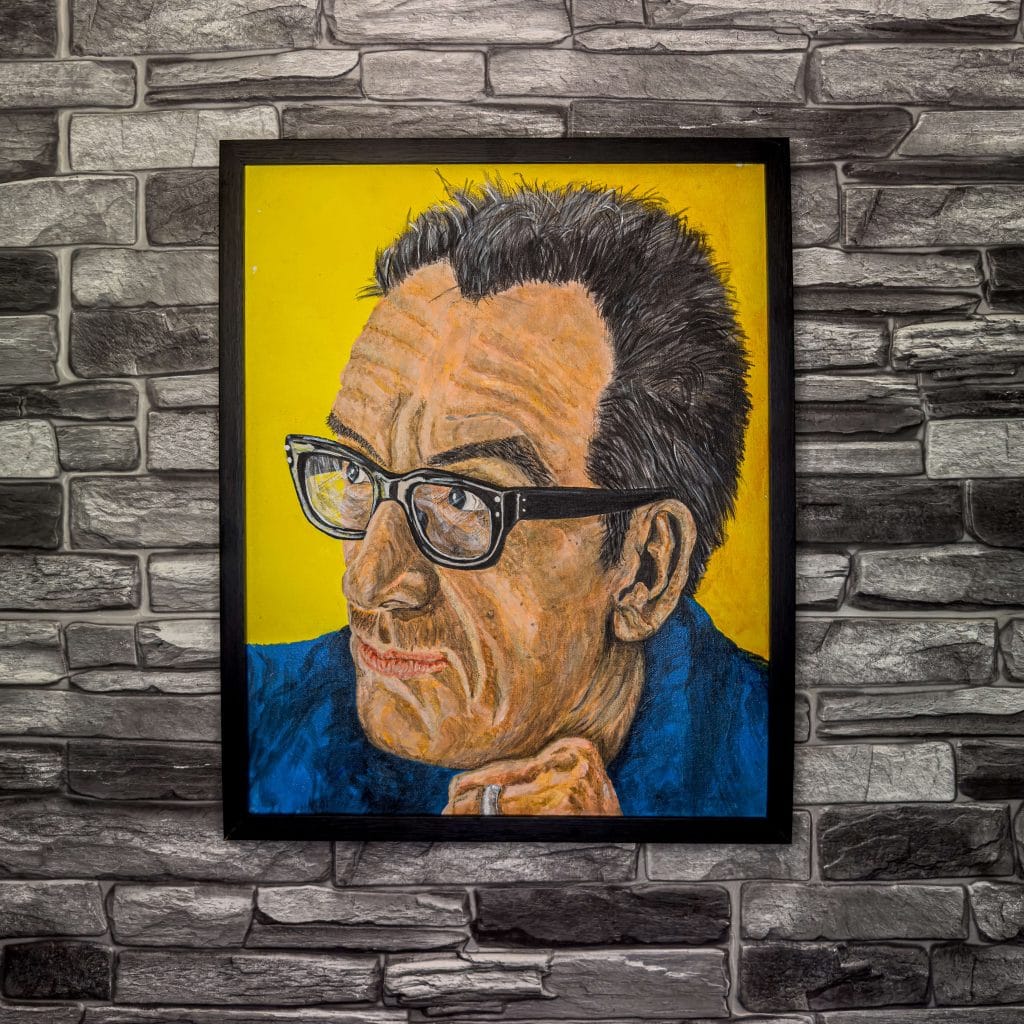
Another artist may share their journey as one of experimentation. Initially trained in traditional oil painting, they discovered acrylics and were drawn to the medium’s versatility. Their transition opened new avenues of creativity, allowing them to develop a distinct style that marries realism with abstraction. These stories highlight not just the technical aspects of acrylic painting but the profound emotional journeys artists embark on, making each piece a reflection of their life experiences.
Emotional Connections: Art That Resonates
Art has the power to evoke emotions, and acrylic paintings often serve as a conduit for these feelings. Many artists strive to create works that resonate with their audience, sparking reflection or even catharsis. Some use bold, contrasting colours to express turmoil or joy, while others might opt for softer palettes that convey serenity. The emotional weight of a painting can transform a simple canvas into a dialogue between the artist and the viewer.
For collectors and art enthusiasts alike, understanding this emotional connection can deepen appreciation for acrylic works. The narrative behind each piece, whether it stems from personal pain, joy, or an exploration of identity, adds layers of meaning that elevate the artwork beyond mere decoration. Engaging with art on this emotional level fosters a richer experience, turning passive viewing into an active conversation.
Conclusion: The Future of Acrylic Canvas Painting
Embracing Change: Innovation in Technique
The world of acrylic painting is ever-evolving. As artists experiment with new techniques, technologies, and ideas, the possibilities for expression expand. Innovations such as acrylic pouring and the use of non-traditional tools and materials are reshaping the landscape of this art form. Artists are no longer limited to traditional brushes and canvases; they are exploring new avenues that challenge the status quo and invite fresh perspectives.
Moreover, the accessibility of acrylics has led to a democratisation of art, allowing more people to engage with the medium. Workshops, online tutorials, and community art programs encourage individuals to explore their creativity, paving the way for new voices in the art world. This openness fosters a vibrant community where ideas and techniques are shared, further enriching the acrylic canvas painting landscape.
Inviting the Audience: Join the Colourful Dialogue
Acrylic canvas painting is not just an art form; it is a vivid dialogue between the artist and the audience. Each piece invites interpretation, emotion, and connection. As we explore the world of acrylics, we encourage everyone—collectors, designers, entrepreneurs, and art enthusiasts, to engage with this medium. Attend local galleries, support emerging artists, and perhaps even pick up a brush yourself. The vibrant world of acrylics is waiting for you to dive in and discover the stories that lie within each stroke.
FAQs
What are the main benefits of using acrylic paint?
Acrylic paints are versatile, quick-drying, and easy to clean up. They can be used on various surfaces, and their vibrant colours allow for an expansive palette. Additionally, they can mimic the qualities of both watercolour and oil paints.
How can I get started with acrylic painting?
To start with acrylic painting, gather basic supplies such as paints, brushes, and canvas or watercolour paper. Experiment with different techniques and don’t hesitate to play with colours. Online tutorials and local workshops are also great ways to learn and gain confidence.
Can I mix acrylic paint with other mediums?
Yes, acrylic paints can be mixed with various mediums, including water, gels, and modelling pastes. Many artists use acrylics in combination with other materials, such as ink or charcoal, to achieve unique effects and textures.
What makes a good acrylic painting?
A good acrylic painting often combines effective use of colour, composition, and technique. Emotional resonance and personal expression can also play a crucial role in defining the quality of the artwork. Ultimately, a piece that evokes feelings or thoughts in the viewer is considered successful.
Are there any specific techniques I should learn for acrylic painting?
Key techniques include wet-on-wet blending, dry brushing, glazing, and layering. Each of these techniques can add depth, texture, and dimension to your paintings, allowing for a range of expressive possibilities.