The Impact of Contemporary Art on Portraits: An Artist’s Perspective
Contemporary Art on Portraits
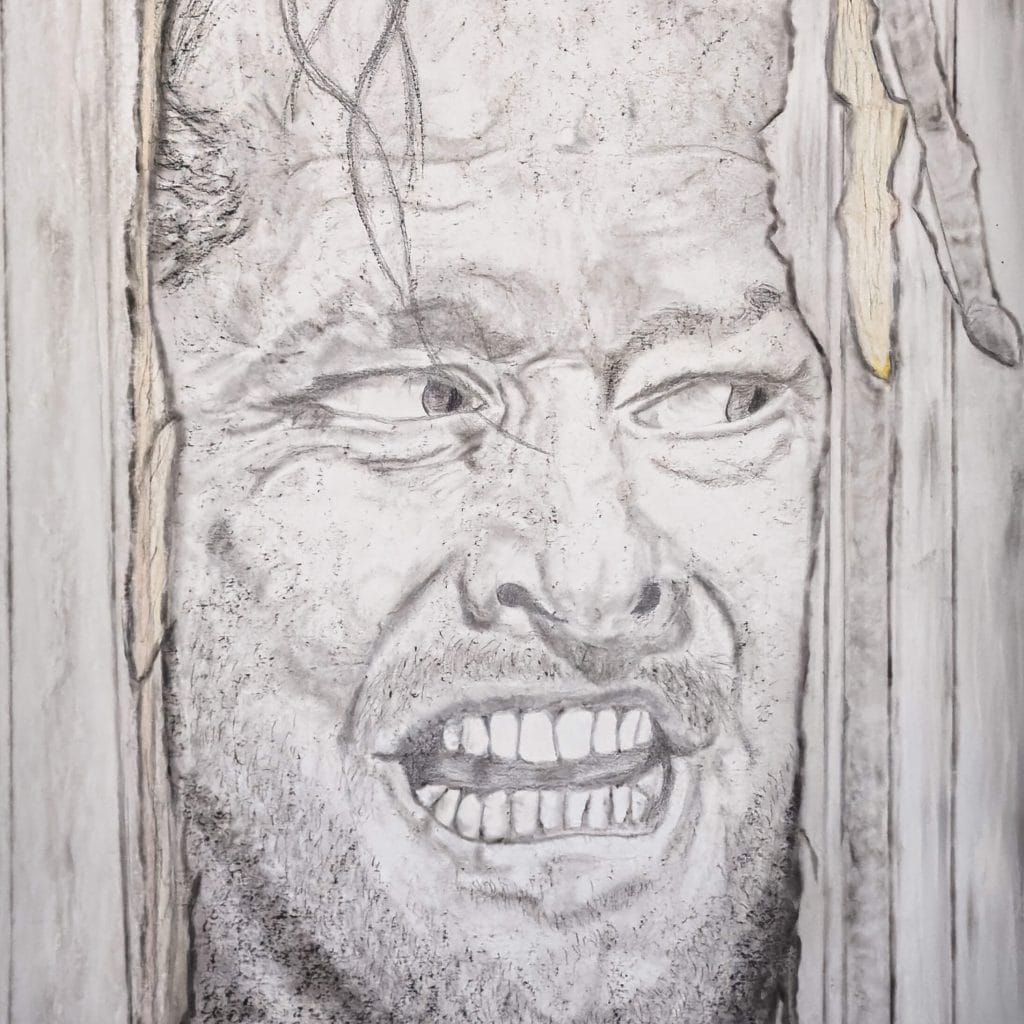
The realm of art is ever-evolving, with contemporary art challenging and redefining the traditional concept of portraiture. Artists today are not just painting faces; they are crafting narratives, exploring identities, and pushing the boundaries of expression. This article delves into how contemporary art has influenced the creation of portraits, examining its historical evolution, the defining features of contemporary art, and the role of collectors in this dynamic landscape. We will explore the innovation in techniques and materials, the thematic concerns that contemporary artists engage with, and how these factors collectively reshape the portrait as a medium.
The Evolution of Portraiture
Historical Context
Portraiture has a rich history, dating back to ancient civilisations where rulers and deities were immortalised in various forms. Over the centuries, these portraits served not only as representations of individuals but also as status symbols that conveyed power, wealth, and influence. The Renaissance marked a significant turning point, with artists like Leonardo da Vinci and Michelangelo introducing the notion of realism and emotional depth in their works. However, as art progressed into the 19th and 20th centuries, portraiture began to diversify, reflecting the changes in societal values, technological advancements, and artistic movements.
The advent of photography in the 19th century posed a unique challenge to traditional portrait painting. Suddenly, capturing likenesses became easier and more accessible. This shift forced painters to redefine their approach to portraiture, leading to movements such as Impressionism and Expressionism, where the focus shifted from mere representation to the evocation of feelings and moods. Consequently, the groundwork was laid for the contemporary art movements that would emerge in the latter half of the 20th century, fundamentally transforming the purpose and execution of portraits.
Transition to Contemporary Techniques
As we moved into the contemporary era, the boundaries of portraiture became increasingly fluid. Artists began experimenting with new materials, techniques, and styles, blurring the lines between different forms of visual art. Contemporary portraiture is characterised by a shift from the singular focus on likeness to a broader exploration of identity, culture, and personal narrative. This evolution has opened up a myriad of possibilities for artists to express themselves in innovative ways, making the portrait not just a representation of a person but a commentary on society and human experience.
Additionally, the rise of digital technology has revolutionised how portraits are created and perceived. Digital tools and platforms allow artists to manipulate images in ways that were previously unimaginable, offering infinite possibilities for creativity. Today, contemporary portraits can be interactive, multi-dimensional, and even ephemeral, showcasing the versatility of both the medium and the message.
Defining Contemporary Art
Characteristics of Contemporary Art
Contemporary art encompasses a wide range of styles, mediums, and philosophies, making it a complex and diverse field. One of its defining characteristics is its emphasis on conceptual exploration over traditional aesthetics. Contemporary artists often prioritise ideas and themes, using their work as a platform for social commentary, political activism, and personal reflection. This critical engagement with contemporary issues is what distinguishes modern portraits from historical ones.
Moreover, contemporary art is marked by its inclusivity and diversity, reflecting a myriad of cultural perspectives. Artists from various backgrounds contribute to the dialogue, bringing forth unique narratives that resonate with a global audience. This diversity extends to the mediums used, with artists embracing everything from traditional painting and sculpture to mixed media, installation art, and digital practices.
Influential Contemporary Artists
Numerous contemporary artists have made significant contributions to portraiture, each bringing their unique perspective and style. Notable figures include Kehinde Wiley, who is renowned for his vibrant, large-scale portraits that celebrate Black identity and challenge historical conventions of portraiture. His work reimagines traditional portraits by placing people of colour in poses historically reserved for aristocracy, thus subverting expectations.
Another influential artist is Cindy Sherman, who explores identity and representation through photography. Her series of self-portraits illustrate the fluidity of identity and how societal norms shape perceptions of femininity. These artists, among others, exemplify how contemporary portraiture serves as a mirror to society, reflecting changes in culture, identity, and ideology.
Impact of Contemporary Art on Acrylic Portraits
Innovation in Materials and Techniques
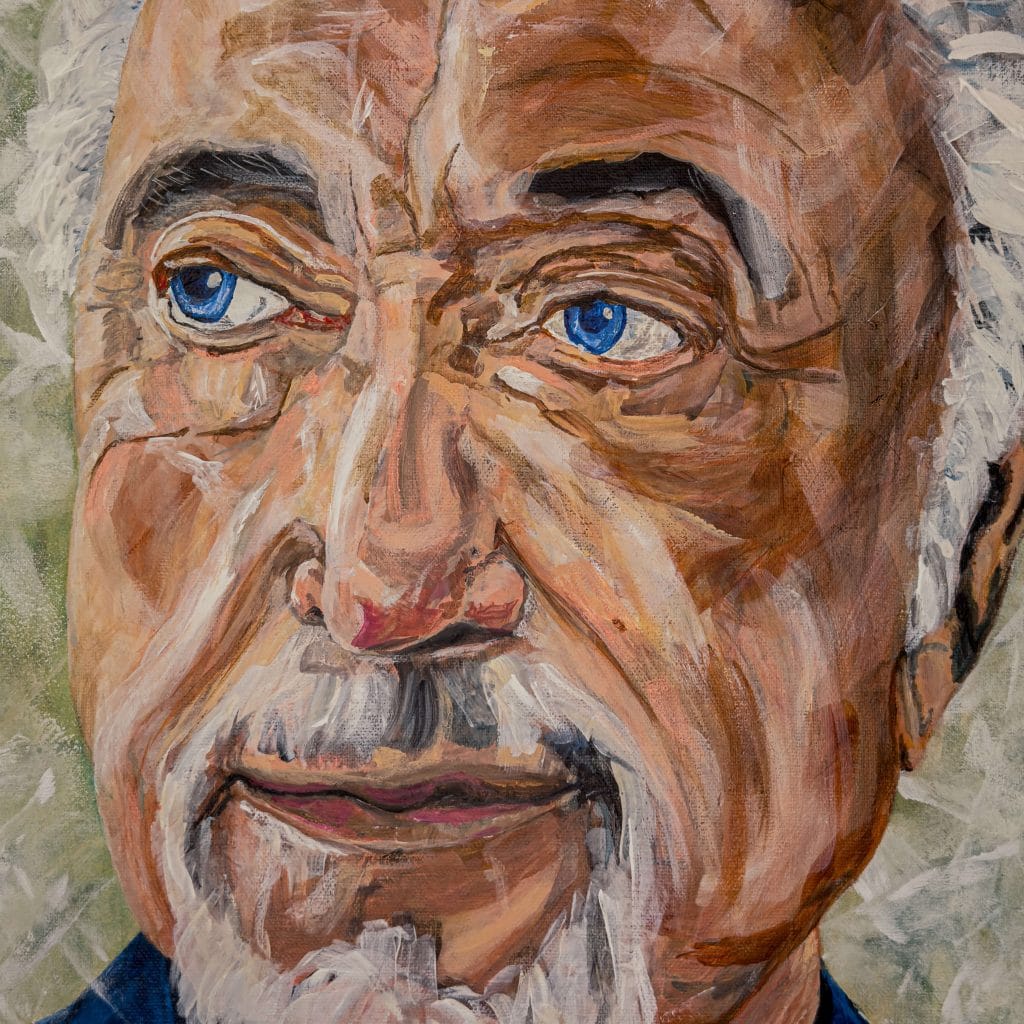
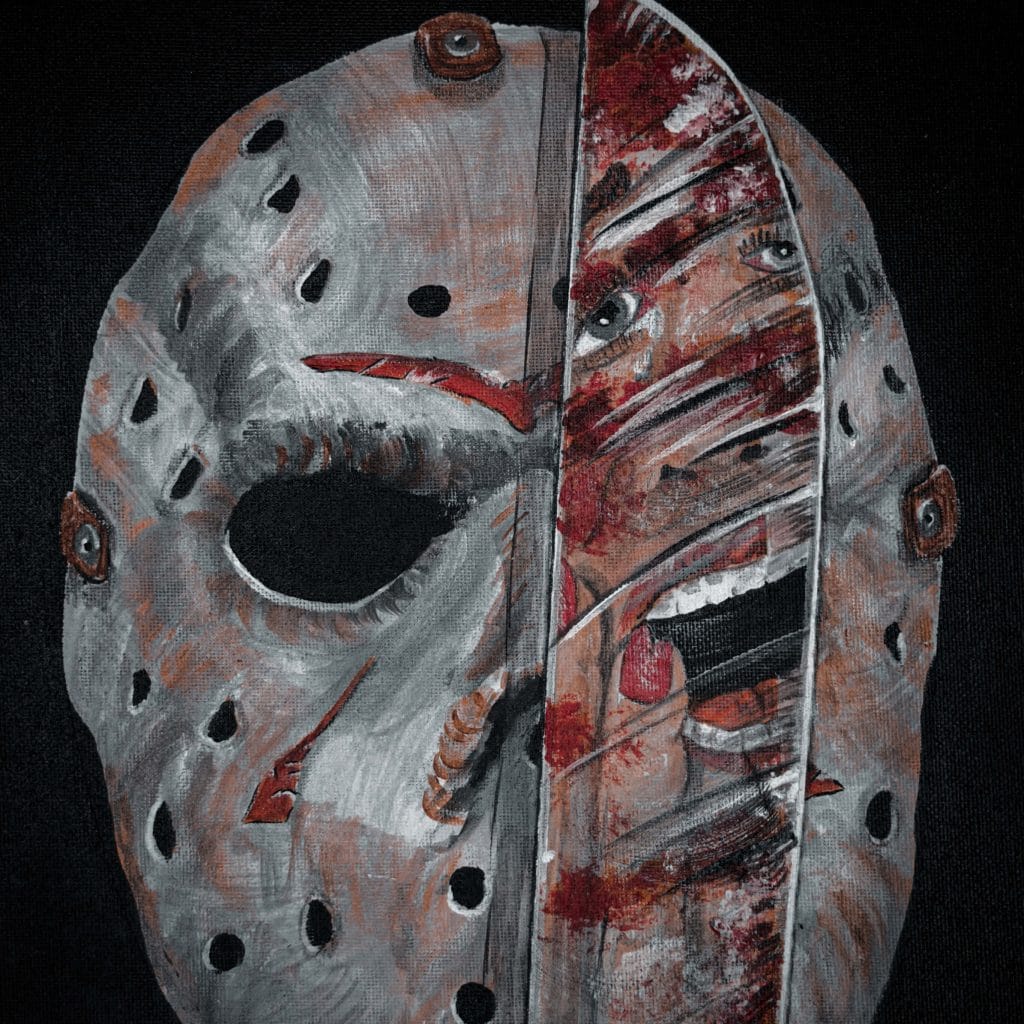
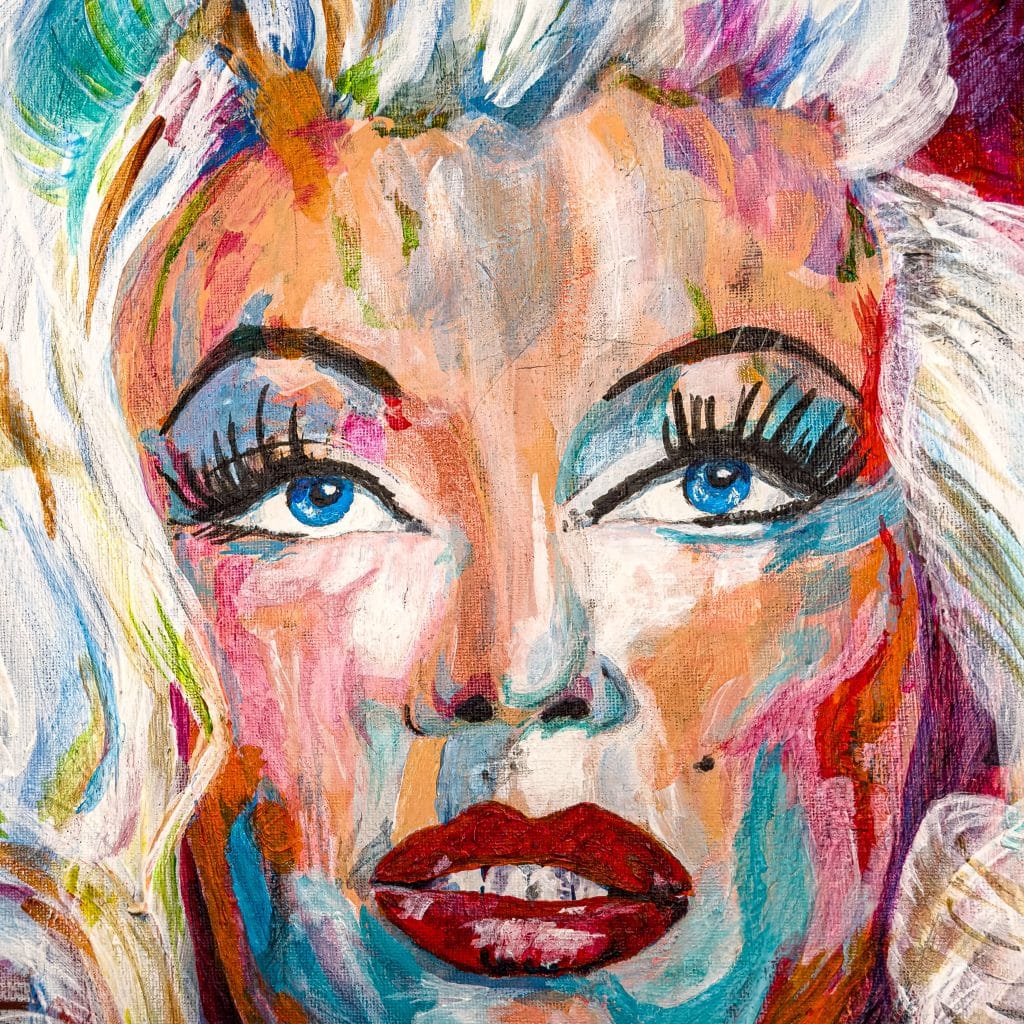
Contemporary artists are continuously pushing the boundaries of traditional mediums, and acrylic paint has become a favoured choice for many. Acrylics offer a versatile and fast-drying alternative to oil paints, allowing artists to experiment with layering, transparency, and texture. This adaptability has led to innovative techniques where artists blend acrylics with other materials, such as collage elements, textiles, or even digital components, to create dynamic and multifaceted portraits.
The use of mixed media in acrylic portraits allows for richer narratives and deeper emotional resonance. Artists are not confined to realism; they can incorporate abstract elements, graffiti, or even found objects, resulting in portraits that tell complex stories and invite viewers to engage with them on multiple levels. This innovative approach transforms the traditional portrait into a multifaceted exploration of identity and experience.
Expressive Freedom and Personalisation
One of the most significant impacts of contemporary art on portraiture is the newfound expressive freedom it offers artists. Unlike previous eras that adhered to strict conventions, contemporary artists are encouraged to explore their individual styles and interpretations. This personalisation is crucial in creating portraits that resonate not only with the artist but also with the audience, fostering a deeper connection to the subject matter.
This freedom extends to the subjects themselves. Many contemporary artists collaborate with their sitters, inviting them to contribute to the creative process. This engagement elevates the portrait beyond a mere likeness, transforming it into a dialogue that reflects the subject’s personality, experiences, and narratives. Thus, contemporary acrylic portraits embody a more authentic representation, going beyond the superficial attributes traditionally associated with portraiture.
Interpreting Identity through Contemporary Portraits
Challenging Traditional Norms
Contemporary portraits often challenge historical norms and conventions, redefining what it means to capture someone’s likeness. Artists are increasingly drawn to themes of fluidity and complexity in identity, reflecting the multifaceted nature of contemporary society. This approach rejects the notion of a fixed identity, instead embracing the idea of identity as a dynamic and evolving construct influenced by culture, gender, race, and personal experiences.
For instance, artists like Zanele Muholi focus on documenting the lives and experiences of marginalised communities, particularly within the LGBTQ+ spectrum. Their work not only serves to highlight the beauty and diversity of these identities but also confronts societal prejudices and stereotypes. By centering underrepresented voices in their portraits, contemporary artists challenge traditional portrayals and foster a more inclusive understanding of identity.
Representation and Diversity in Portraiture
The contemporary art scene is marked by an increased emphasis on representation and diversity. Artists are utilising portraiture as a vehicle to amplify voices that have historically been silenced or misrepresented. Through their works, they explore themes of race, gender, and cultural heritage, contributing to a more nuanced understanding of identity in the modern world.
This focus on representation not only enriches the narrative possibilities within portraiture but also encourages viewers to question their perceptions of identity. By showcasing a wide array of experiences and backgrounds, contemporary portrait artists challenge the monolithic portrayals of the past and invite audiences to engage with the complexities of human existence. In this way, portraits become powerful tools for fostering empathy and understanding across diverse contexts.
The Role of Collectors in Shaping Contemporary Portraits
Investing in Emerging Artists
The role of collectors in the contemporary art landscape cannot be understated. They play a critical part in determining which artists gain visibility and recognition, influencing the trajectory of contemporary portraiture. Collectors who invest in emerging artists not only support their careers but also contribute to the diversification of the art market, encouraging more varied representations in portraiture.
Moreover, collectors often take on the role of curators, shaping the narrative of their collections by choosing pieces that resonate with them personally or reflect their values. This curatorial practice allows collectors to advocate for the artists they believe in, amplifying underrepresented voices and fostering a sense of community within the art world. As collectors invest in fresh perspectives, they help redefine the significance of contemporary portraits.
Curating Personal Collections
Curating a personal collection of contemporary portraits offers collectors a unique opportunity to engage with the art and artists on a deeper level. Each piece in a collection tells a story and reflects the collector’s interests, values, and aesthetic sensibilities. This practice not only enriches the collector’s life but also contributes to the broader discourse surrounding contemporary portraiture by creating spaces for dialogue and exploration.
Furthermore, as collectors curate their collections, they can introduce their audience—friends, family, or the public—to new artists and ideas. This sharing fosters a culture of appreciation and understanding of contemporary art, encouraging others to delve into the complexities of identity and self-expression that contemporary portraits embody. Collectors become active participants in the art community, shaping the narratives around contemporary portraiture.
Conclusion
The Future of Portraits in Contemporary Art
The future of portraits within contemporary art is bright and brimming with potential. As artists continue to push the boundaries of traditional portraiture by experimenting with techniques, materials, and themes, we can expect to see an ever-expanding dialogue surrounding identity, representation, and personal expression. The incorporation of technology, mixed media, and diverse perspectives will undoubtedly lead to new and innovative forms of portraiture that resonate with audiences on multiple levels.
Moreover, the role of collectors in shaping this evolving landscape cannot be overlooked. Their support for emerging artists and dedication to curating meaningful collections will play a crucial part in elevating contemporary portraiture and ensuring that diverse voices are heard. As we move forward, the intersection of art, identity, and community will continue to redefine our understanding of what a portrait can be.
Encouraging Artistic Exploration
In conclusion, the impact of contemporary art on portraiture is profound and transformative. It invites us to reconsider how we view identity and representation, encouraging both artists and collectors to engage with the nuances of the human experience. As we embrace these changes, we foster a richer and more inclusive art world, one that celebrates the complexities and beauty of individuality.
FAQs
What defines contemporary portraiture?
Contemporary portraiture is defined by its emphasis on conceptual exploration and diversity. It moves beyond mere likeness to explore themes such as identity, culture, and personal narrative, often incorporating mixed media and innovative techniques.
How has technology influenced contemporary portraiture?
Technology has significantly influenced contemporary portraiture by enabling artists to use digital tools for creation and manipulation. This allows for new forms of expression, including interactive and multi-dimensional portraits.
Why is representation important in contemporary portraiture?
Representation is crucial in contemporary portraiture as it amplifies underrepresented voices and challenges societal norms. It fosters a more inclusive understanding of identity and encourages viewer engagement with diverse narratives.
What role do collectors play in the contemporary art scene?
Collectors play a vital role in the contemporary art scene by investing in emerging artists, curating personal collections, and influencing which artists gain visibility. Their support can shape the narratives surrounding contemporary portraiture.
What can we expect in the future of contemporary portraiture?
The future of contemporary portraiture is expected to be vibrant, with continued innovation in techniques and themes. As artists and collectors engage with the complexities of identity and representation, we are likely to see an expansion of the medium’s possibilities.