Behind the brush, the thoughts and process behind my artwork
Behind the brush
Painting iconic figures is not merely an act of artistic creation; it is a deep exploration of history, personality, and emotion. Each brush stroke tells a story, and each colour choice conveys a mood. This journey from sketch to canvas is as essential as the final product itself. For collectors, understanding this process enriches their appreciation of art, allowing them to connect more deeply with the pieces they admire or acquire.
In this article, we will explore the intricate process of creating paintings of iconic figures, from the initial sketch to the final display. We will delve into the inspiration behind these works, the materials and techniques used, and the emotional connections that drive artists to capture their subjects. By the end, collectors will have a comprehensive view of what goes into these masterpieces, enhancing their understanding and enjoyment of the art they cherish. So let’s go behind the brush.
The Importance of Sketching in Art
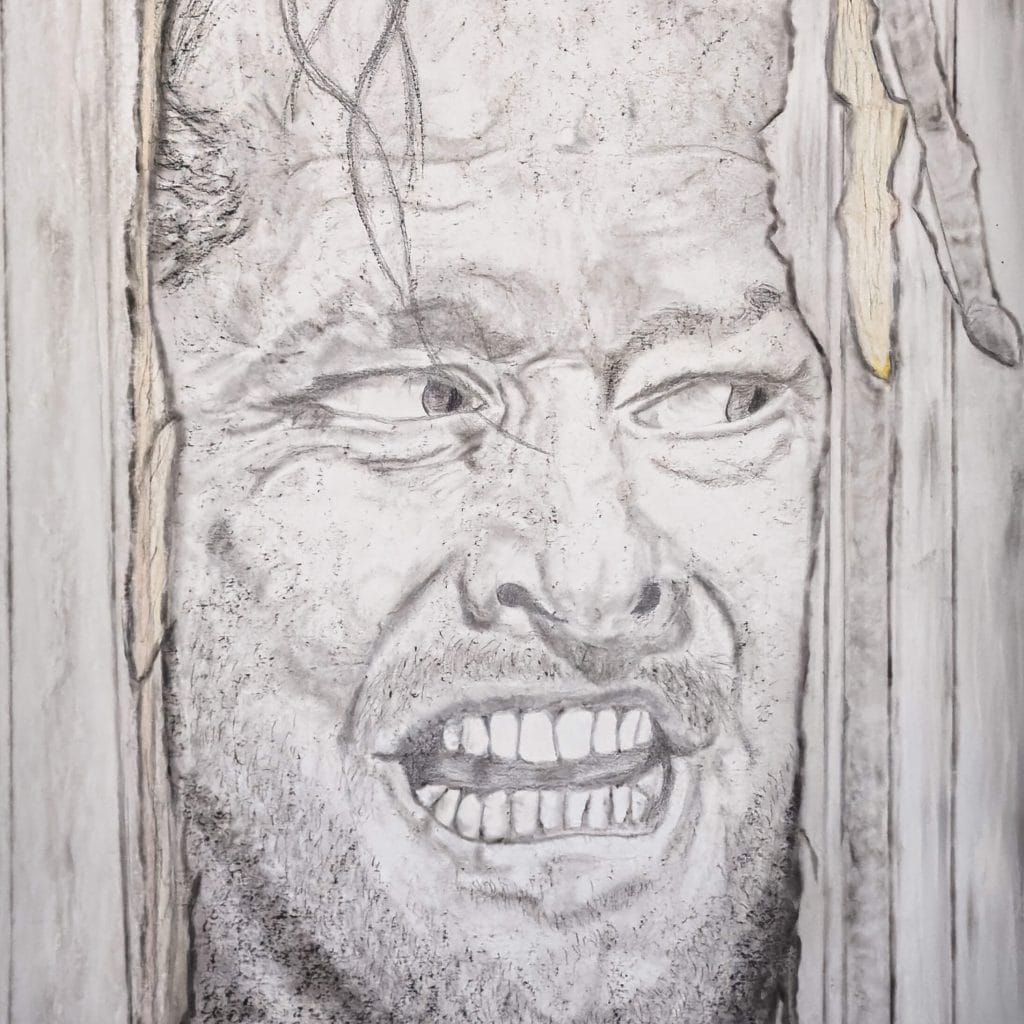
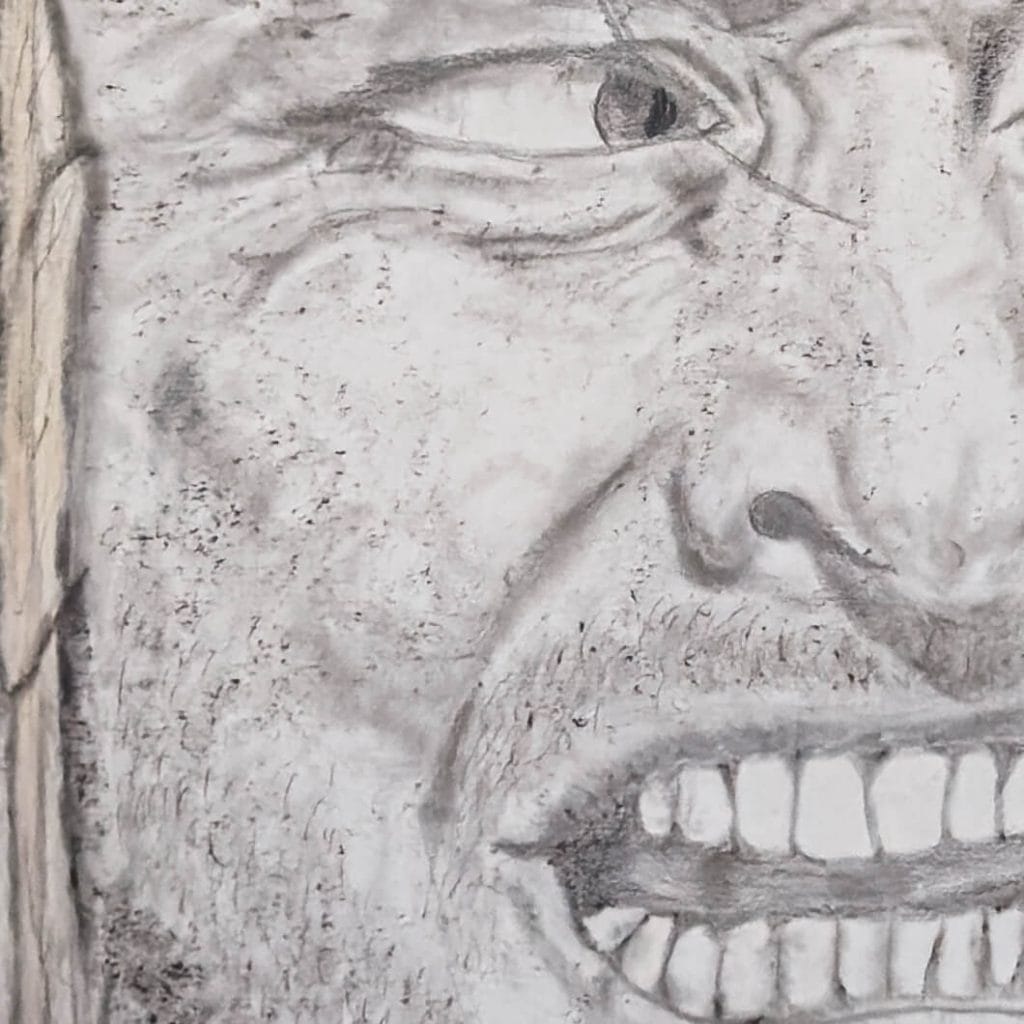
Sketching serves as the backbone of any painting process, not only beneath the paint, we’re behind the brush. It allows artists to conceptualise their ideas, experiment with composition, and refine their techniques before committing to the canvas. A well-executed sketch can highlight the strengths and weaknesses of a composition, guiding the artist in creating a more balanced and compelling final piece. In many cases, sketches can be as valuable as finished works, demonstrating the artist’s creative process and thought.
Moreover, sketching is not just about planning; it is an art form in itself. Many artists consider their sketches to be a direct extension of their creative voice. The lines, shading, and proportions captured in a sketch can reveal nuances of the subject that may be lost in later stages of painting. Collectors who appreciate these subtleties often find themselves drawn to the raw and intimate nature of sketches, giving them insight into the artist’s vision and style.
Materials and Tools for Sketching
To create effective sketches, artists rely on various materials and tools. Traditional mediums include graphite pencils, charcoal, and ink, each offering unique textures and effects. Graphite pencils are favoured for their precision and ease of use, while charcoal allows for expressive lines and rich contrasts. Ink can introduce a sense of permanence and boldness to sketches.
Beyond the medium, the choice of paper is also crucial. Different types of sketching paper can affect the outcome significantly. For instance, smooth paper works well for detailed line work, while textured paper can provide a more dynamic surface for expressive marks. Artists often experiment with various combinations of tools and materials, discovering what best suits their individual style and the specific subject matter they wish to portray.
Inspiration Behind Iconic Figures
Understanding the inspiration behind iconic figures is essential for creating compelling artwork. Artists often immerse themselves in the historical and cultural contexts surrounding their subjects, allowing them to communicate deeper meanings through their paintings. Whether depicting historical leaders, cultural icons, or fictional characters, research plays a key role in shaping the artist’s portrayal.
This research includes studying photographs, biographies, and historical accounts, but also involves analysing the emotions and experiences that make the subject resonate with audiences. Artists strive to convey not just the appearance of their subjects, but the essence of who they are, inviting viewers to connect on a personal level. This emotional connection can often elevate the painting from a simple likeness to a powerful narrative.
Connecting Emotionally with Subjects
Connecting emotionally with subjects is a vital component of artistic expression. Artists often draw upon their own experiences and feelings to imbue their work with authenticity. This personal connection helps to create a sense of empathy between the artist, the subject, and the audience. For instance, an artist might reflect on shared struggles, triumphs, or journeys to evoke a stronger response from viewers.
Moreover, the choice of iconic figures often reflects the artist’s values and beliefs, serving as a commentary on society or culture. By carefully selecting subjects that resonate on multiple levels, artists can create paintings that not only captivate but also provoke thought and discussion among collectors and audiences alike.
Translating Sketches onto Canvas
Once the sketch is complete, the next step involves translating those ideas onto canvas. This transition can be challenging, as the artist must choose the right canvas and medium to achieve their desired effect. Different canvases can yield different results; for instance, a linen canvas may provide a smoother finish than a cotton one, affecting how paint adheres and interacts with the surface.
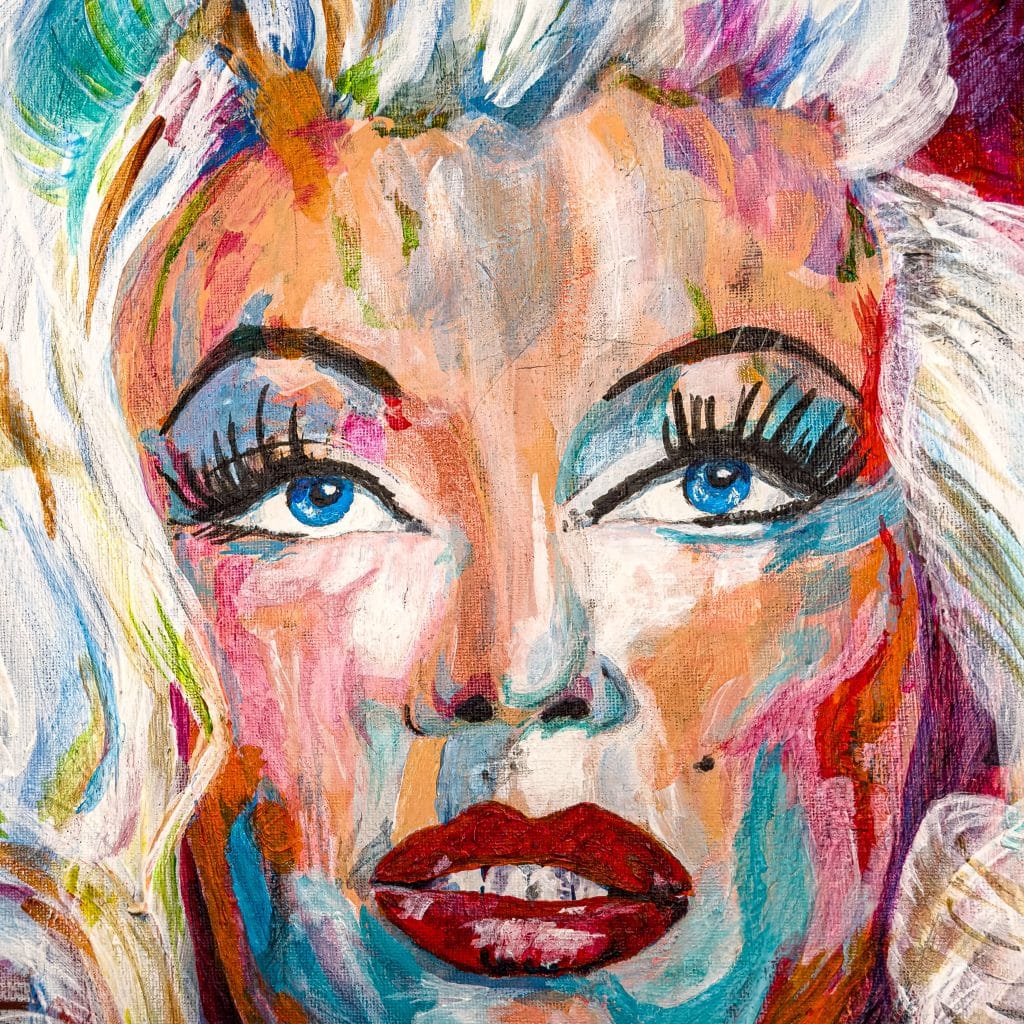
Artists also need to consider their choice of paint. Oil paints offer rich, vibrant colours and can be layered for depth, while acrylics dry quickly and allow for more spontaneous working methods. Selecting the right medium is crucial for achieving the desired aesthetic and emotional impact of the final piece. Collectors should appreciate the thought and intention behind these technical choices, as they play a significant role in the overall success of the artwork.
Choosing the Right Canvas and Medium
The canvas is the foundation upon which an artist’s vision materialises. Artists typically choose between stretched canvases, canvas boards, or panels, depending on their technique and style. Stretched canvases are popular for their versatility and ease of display, while canvas boards offer a more rigid surface that can be easier to transport.
The medium further influences the painting process. Oil paints, with their slow drying time, allow for intricate blending and layering, making them ideal for detailed work. In contrast, acrylics are favoured for their quick drying properties, enabling artists to build up layers rapidly and add details without lengthy waits. The choice of medium often reflects the artist’s personal style and the nature of the subject they are portraying.
Techniques for Transferring Sketches
Transferring sketches onto canvas can be achieved through various techniques. One common method involves using a grid system, where the artist divides both the sketch and canvas into equal sections. This technique helps maintain proportions and allows for accurate placement of features. Another approach is the use of carbon paper, which enables artists to trace their sketches directly onto the canvas.
Some artists prefer a more freehand approach, relying on their memory and intuition to transfer key elements of the sketch. This method requires a strong understanding of composition and form, allowing the artist to make adjustments as they work. Regardless of the technique employed, the transfer process is critical in maintaining the integrity of the original sketch and ensuring a successful final piece.
Bringing Iconic Figures to Life
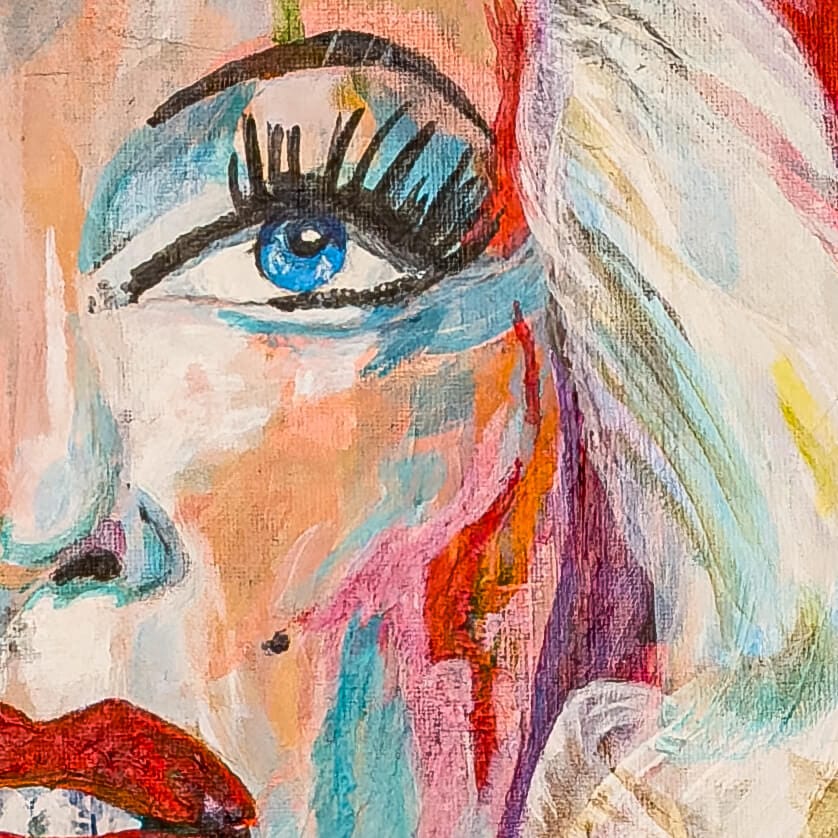
Once the sketch is transferred to the canvas, the next phase is to bring the iconic figures to life through painting. This process involves layering techniques that add depth, dimension, and vibrancy to the artwork. Artists often start with a base layer of paint, gradually building up colours and details through successive applications. Each layer contributes to the overall richness of the final piece, allowing for complex interactions of light and shadow.
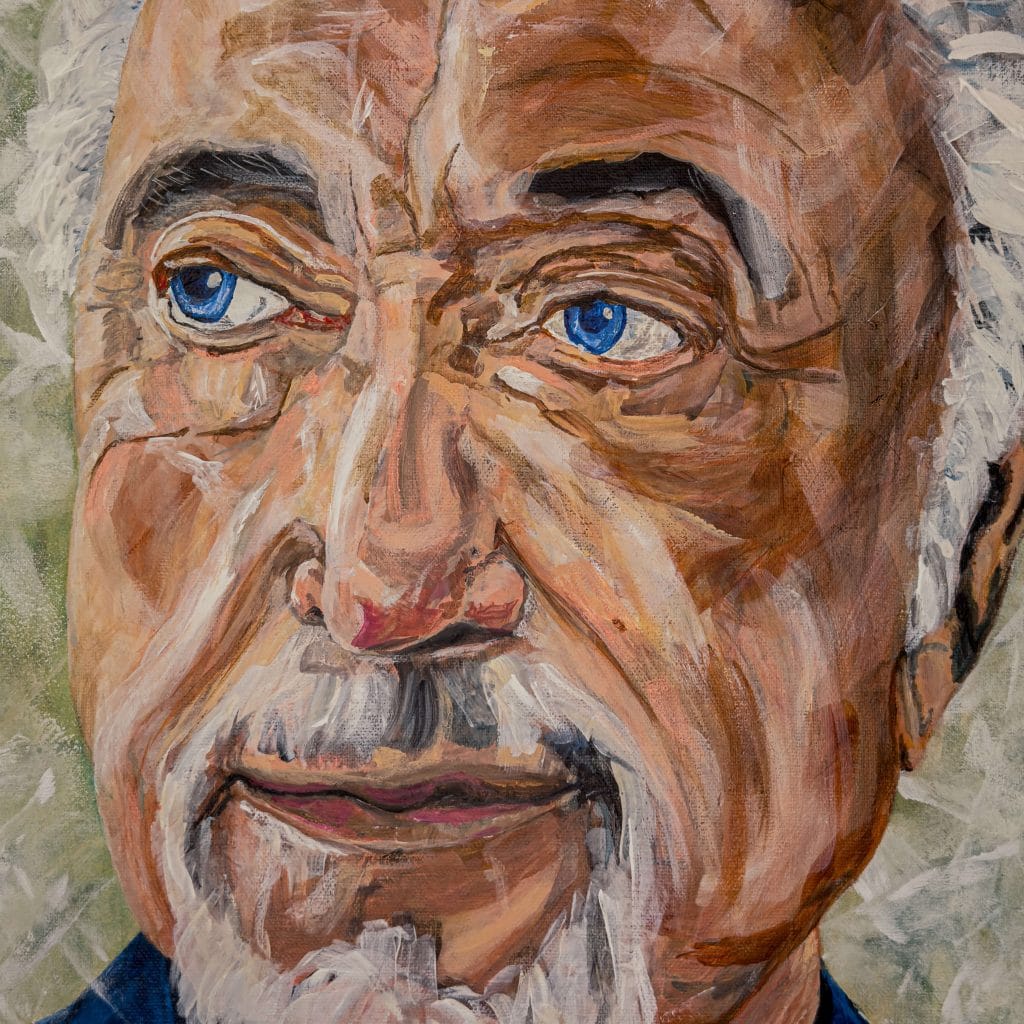
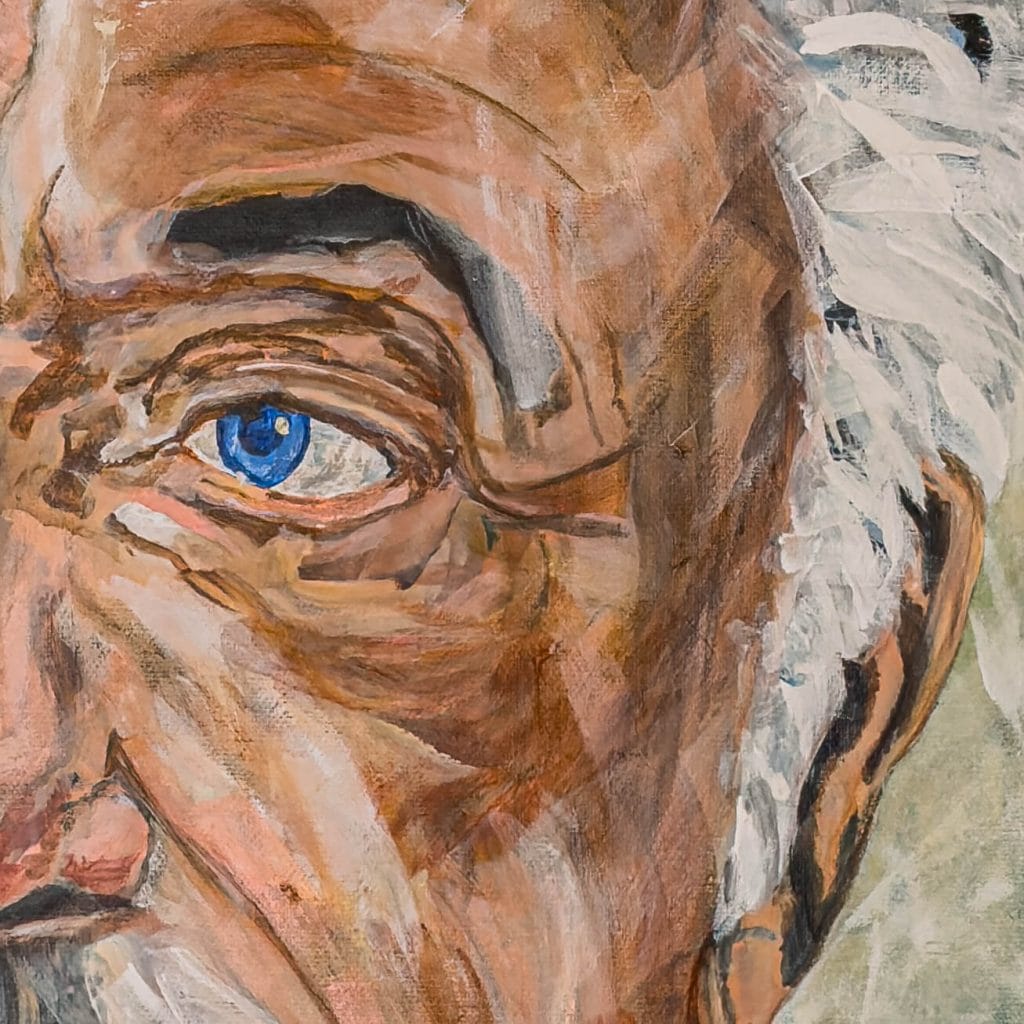
Capturing expressions and details is crucial in portraying iconic figures authentically. Artists pay close attention to facial features, gestures, and posture, striving to evoke the character and personality of their subjects. Some advanced techniques that allow to get deeper behind the brush, such as glazing, scumbling (dry-brushing), and wet-on-wet application can be employed to achieve lifelike representations. The artist’s ability to convey emotion through facial expressions and body language often determines the painting’s impact on viewers.
Layering Techniques in Painting
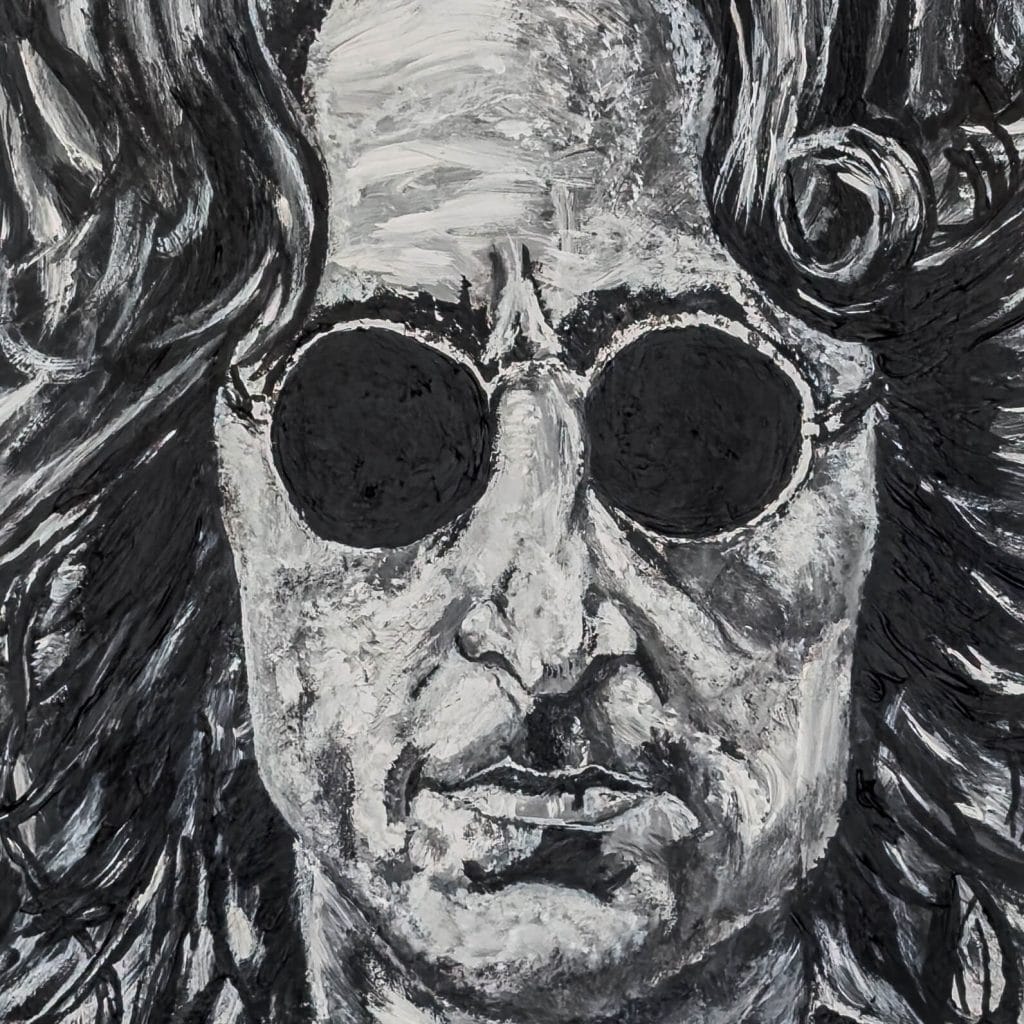
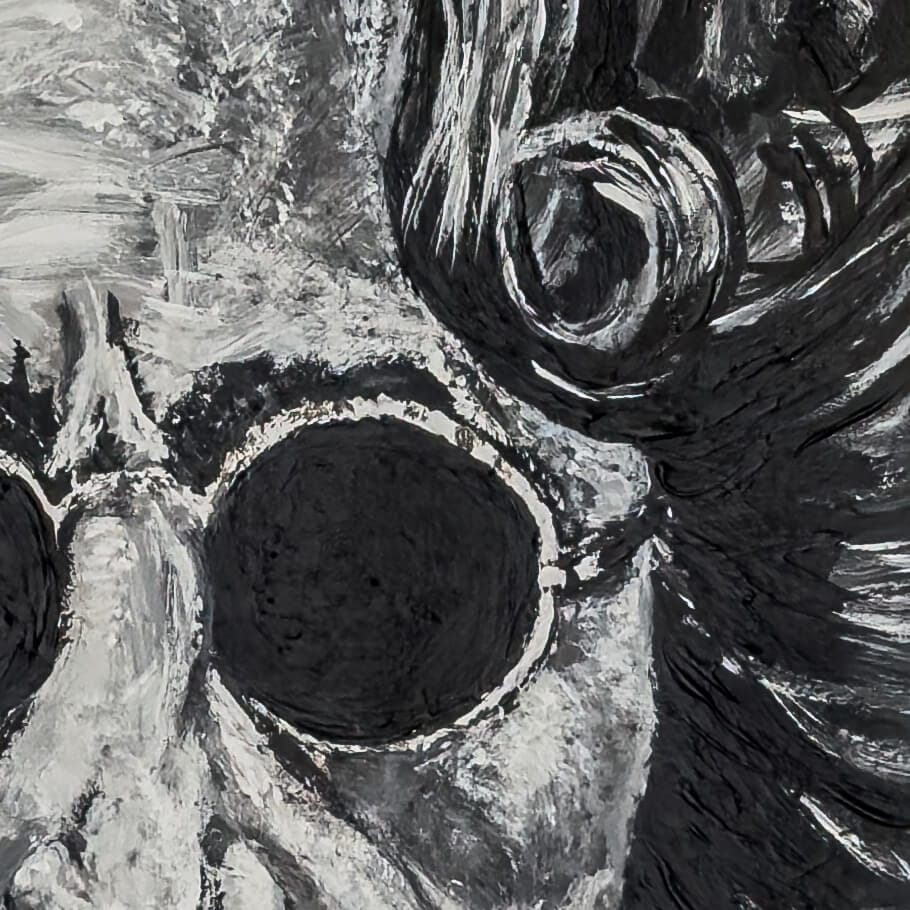
Layering is a fundamental technique in the painting process that allows artists to create depth and richness in their work. Layering can involve various approaches, such as applying thin washes of paint to build up colour gradually or using impasto techniques to create texture. The choice of layering method directly influences the visual dynamics of the painting.
For instance, in oil painting, artists may use glazes to achieve a luminous effect, creating an illusion of light that enhances the three-dimensionality of the subject. In contrast, acrylic painters may opt for a more immediate approach, layering techniques with colour quickly to develop a vibrant surface. Each technique offers unique possibilities, and artists often experiment with them to find the best fit for their vision.
Capturing Expressions and Details
Capturing the essence of iconic figures hinges on the ability to portray their expressions and details accurately. Artists employ a keen eye for observation, studying the subtleties of their subjects’ faces and bodies. Attention to detail is paramount; the slightest variation in a line or a colour can dramatically alter the viewer’s perception of the subject’s personality.
Moreover, technical skills in drawing and painting play a significant role in achieving lifelike results. Mastery of anatomy, perspective, and color theory enables artists to create convincing representations. Collectors often admire works that showcase not only artistic skill but also the emotional depth captured through these meticulous details, as they reflect the artist’s understanding of their subject.
The Final Touches
The final stages of creating artwork are just as important as the initial sketch. Once a painting is complete, artists apply varnish to protect the surface and enhance the vibrancy of colours. Varnishing can provide a glossy finish that makes the artwork more visually striking, but it also serves a practical purpose by safeguarding the paint from dust, UV light, and wear over time.
In addition to varnishing, preparing the artwork for display or sale is essential. Artists often frame their pieces or present them in a way that complements the work’s aesthetics. This preparation can significantly affect how collectors perceive the art, enhancing its value and appeal. Collectors should recognise the effort involved in these final touches, as they contribute to the overall presentation of the artwork.
Conclusion
Reflecting on the artistic journey of behind the brush – from sketch to canvas reveals the complexity and depth involved in creating paintings of iconic figures. Each step, from research and emotional connection to the technical application of paint, showcases the artist’s dedication and skill. For collectors, understanding this process adds layers of appreciation to the works they admire, transforming them from mere objects into narratives filled with history and emotion.
The role of collectors in supporting artists cannot be overstated. By investing in original artworks and sharing their passion for art, collectors help sustain the creative community. Their appreciation for the intricate processes behind each piece contributes to the continued relevance of art in our society. As we celebrate the journey of artistic creation, let us also cherish the connections formed through the love of art and the stories that iconic figures tell through each brushstroke.
FAQs
What is the significance of sketching in painting?
Sketching is crucial for planning compositions, experimenting with ideas, and refining techniques before painting. It serves as both a preparatory tool for layering up paint and details, behind the brush, and an art form in itself.
How do artists choose their subjects?
Artists often select subjects based on a combination of personal connection, historical relevance, and emotional resonance, aiming to create a compelling narrative.
What techniques are used to transfer sketches to canvas?
Common techniques include the grid system, carbon paper tracing, and freehand drawing, each with its advantages for maintaining proportions and behind the brush details.
How do layering techniques enhance a painting?
Layering techniques add depth, richness, and complexity to the artwork, allowing artists to create a dynamic interplay of colours and textures.
What final steps are taken after completing a painting?
Artists typically apply varnish for protection and visual enhancement creating interest artwork itself with this layering technique, and they may also frame the artwork to prepare it for display or sale.