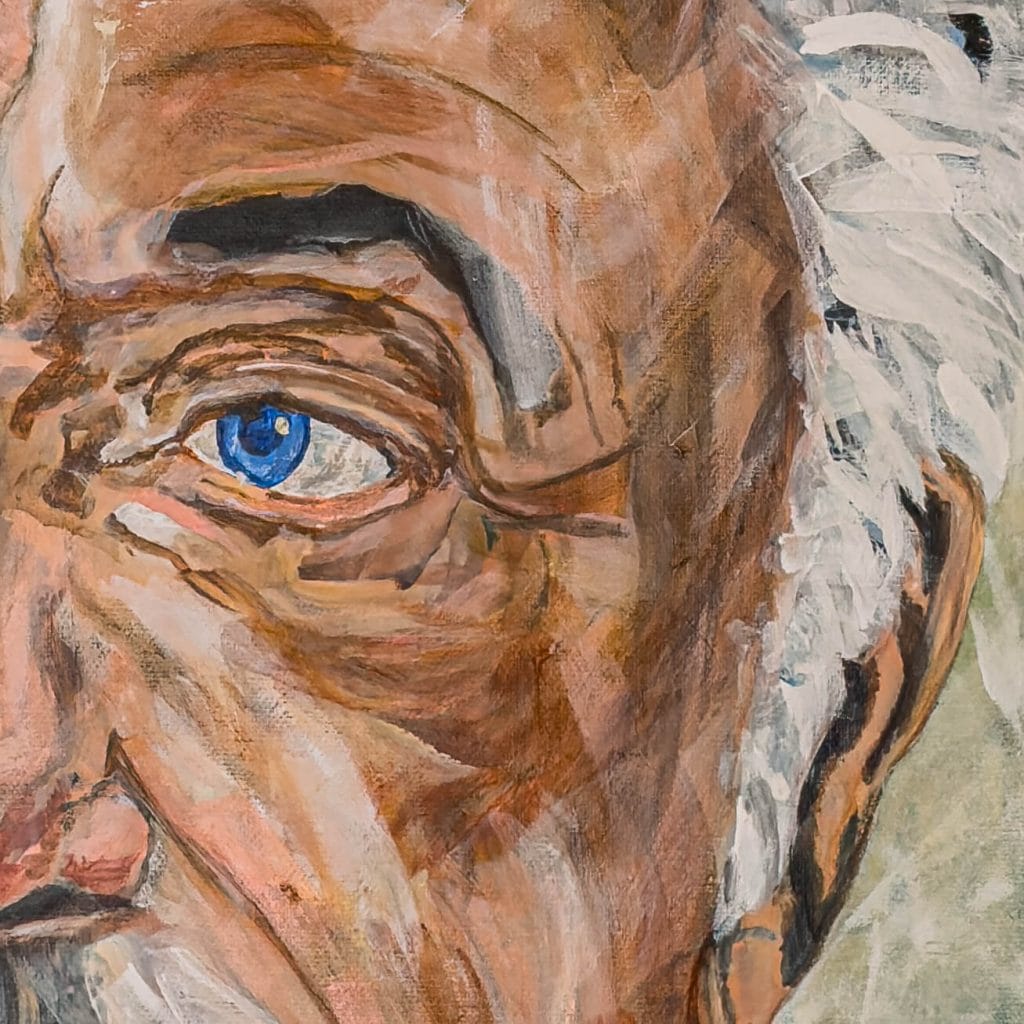
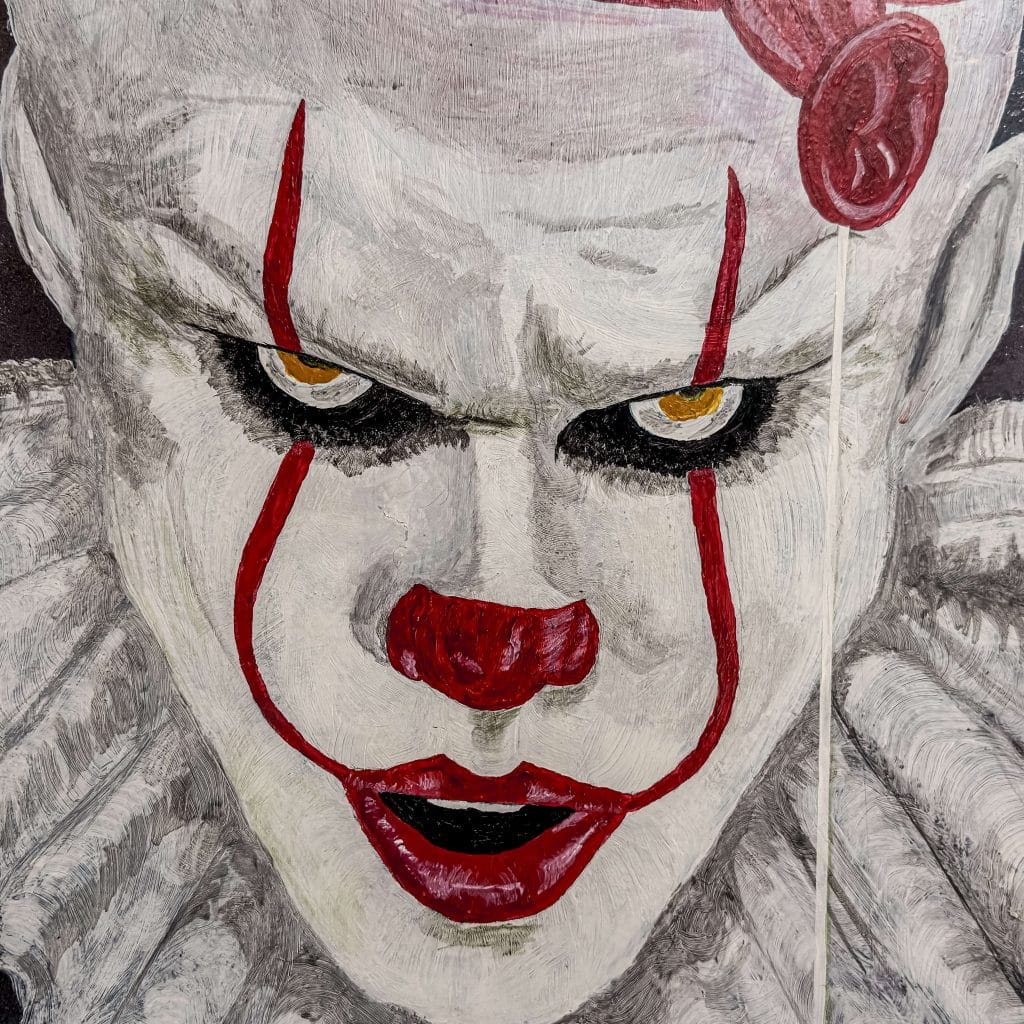
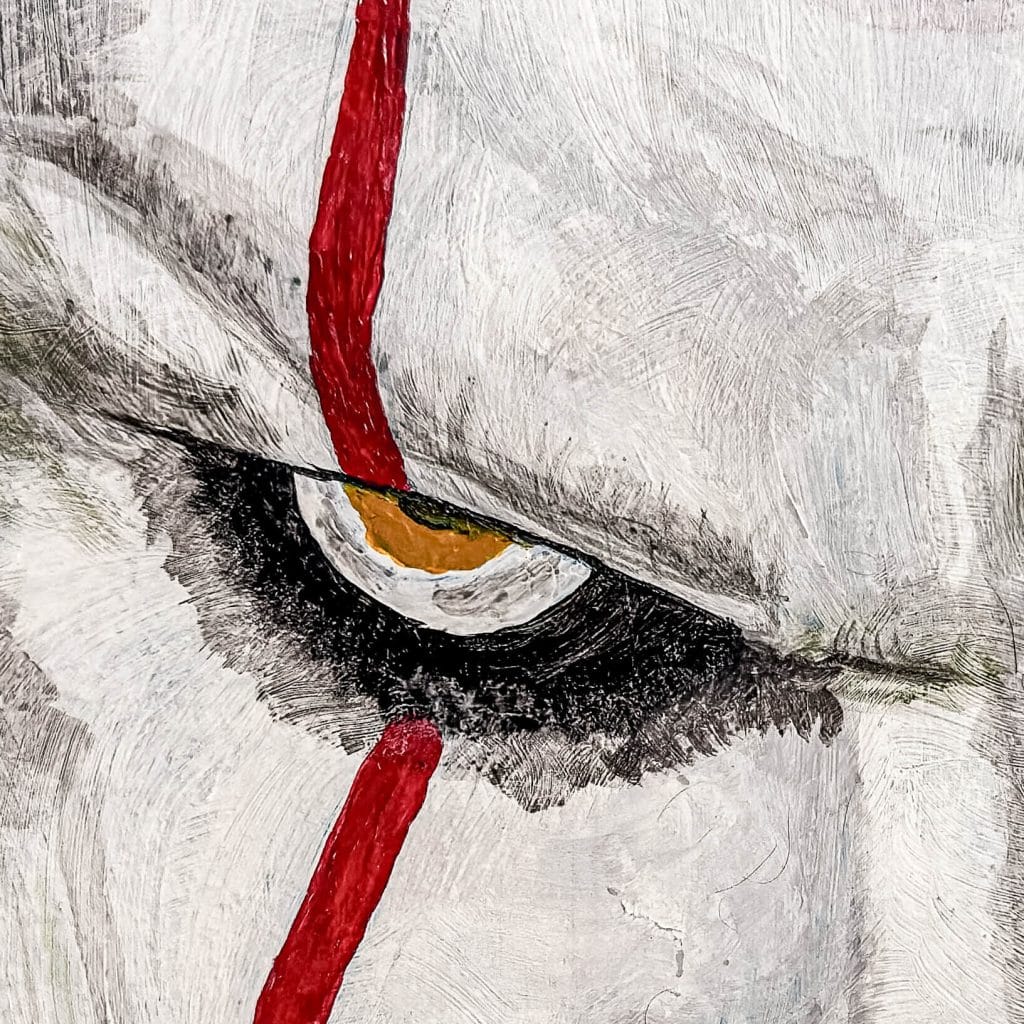
Acrylic or oil paint? Out of the 2 mediums, which is best for me?
Every artist stands at a crossroads when it comes to choosing their preferred medium. Acrylic and oil paints, the two titans of the art world, each offer unique qualities that can dramatically influence an artist’s work. Understanding the advantages and disadvantages of each can empower artists to make informed choices that enhance their creative expression. This article delves into the characteristics, benefits, and challenges of both acrylic and oil paints to help artists navigate their artistic journey, so let’s dive into which medium is best, acrylic or oil paint.
The Journey of an Artist
Art is a deeply personal and transformative experience. Every brushstroke tells a story, reveals an emotion, or captures a fleeting moment. As artists embark on their journeys, they often explore various mediums, experimenting with techniques and styles. The choice between acrylic and oil paint can be a defining moment in this exploration, shaping both the artist’s methodology and their artistic voice.
Artists are as diverse as the mediums they choose. Some may be drawn to the swift drying time of acrylics, allowing them to layer and experiment with speed, while others may be captivated by the rich textures and depth that oil paints offer. Understanding these differences can lead to more fulfilling artistic endeavours and a greater connection to one’s work.
Acrylic Paint: The Versatile Choice
Quick Drying Times
Acrylic paint, known for its quick drying times, is a popular choice among many contemporary artists. This characteristic can be incredibly beneficial for those who prefer to work spontaneously or in layers. Once applied, acrylics dry in a matter of minutes, allowing artists to add new layers without waiting for long drying periods. This can lead to a more dynamic workflow, where ideas can be quickly realised on the canvas.
The rapid drying time also opens the door to unique techniques, such as glazing and wet-on-wet applications. Artists can experiment with washes and blends, creating intricate effects that would require more time and patience with oils. This efficiency fosters creativity, enabling artists to keep pace with their evolving ideas.
Vibrant Colours and Techniques
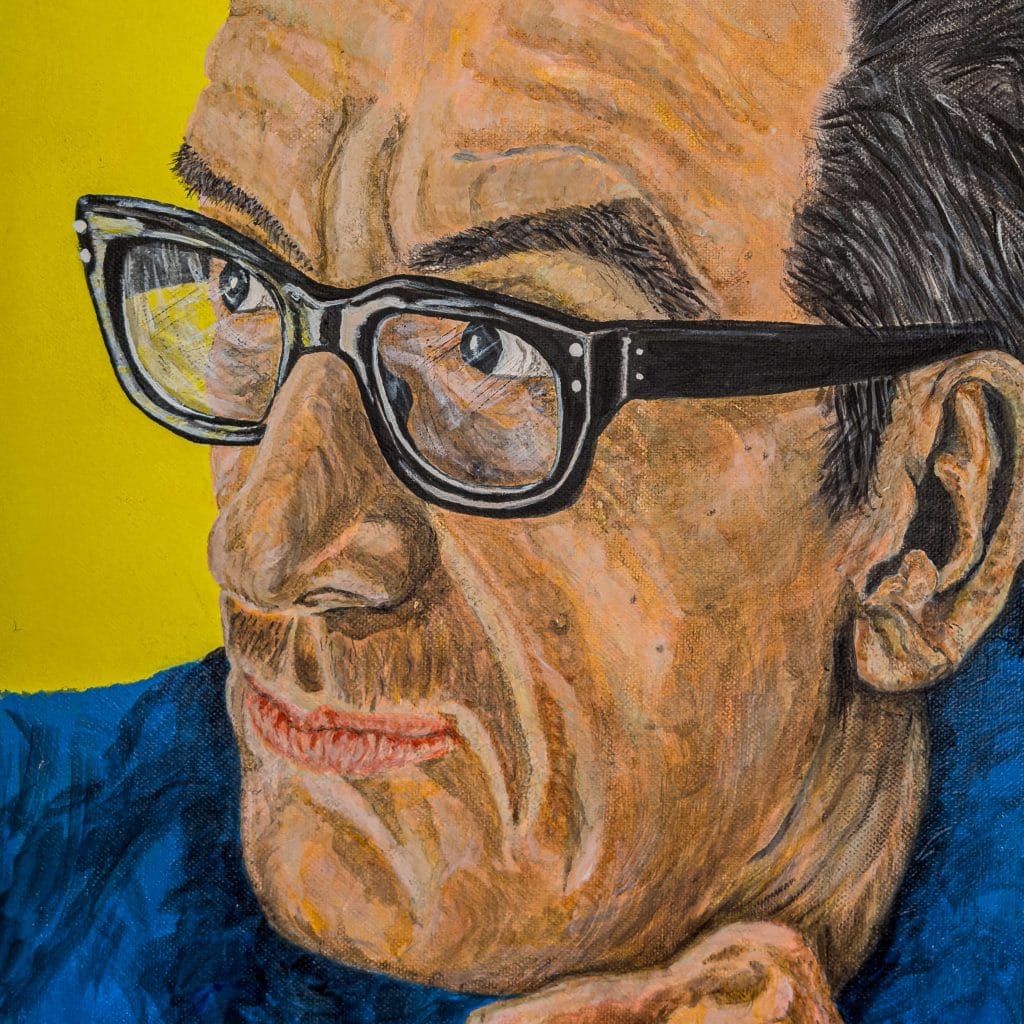
Another appealing aspect of acrylic paint is its vibrant colour range. Acrylics retain their brightness as they dry, offering artists a spectrum of hues that can be mixed and manipulated to create striking visual impacts. The versatility of acrylics allows for various applications, from thick impasto techniques to delicate washes, making them suitable for a wide array of artistic styles.
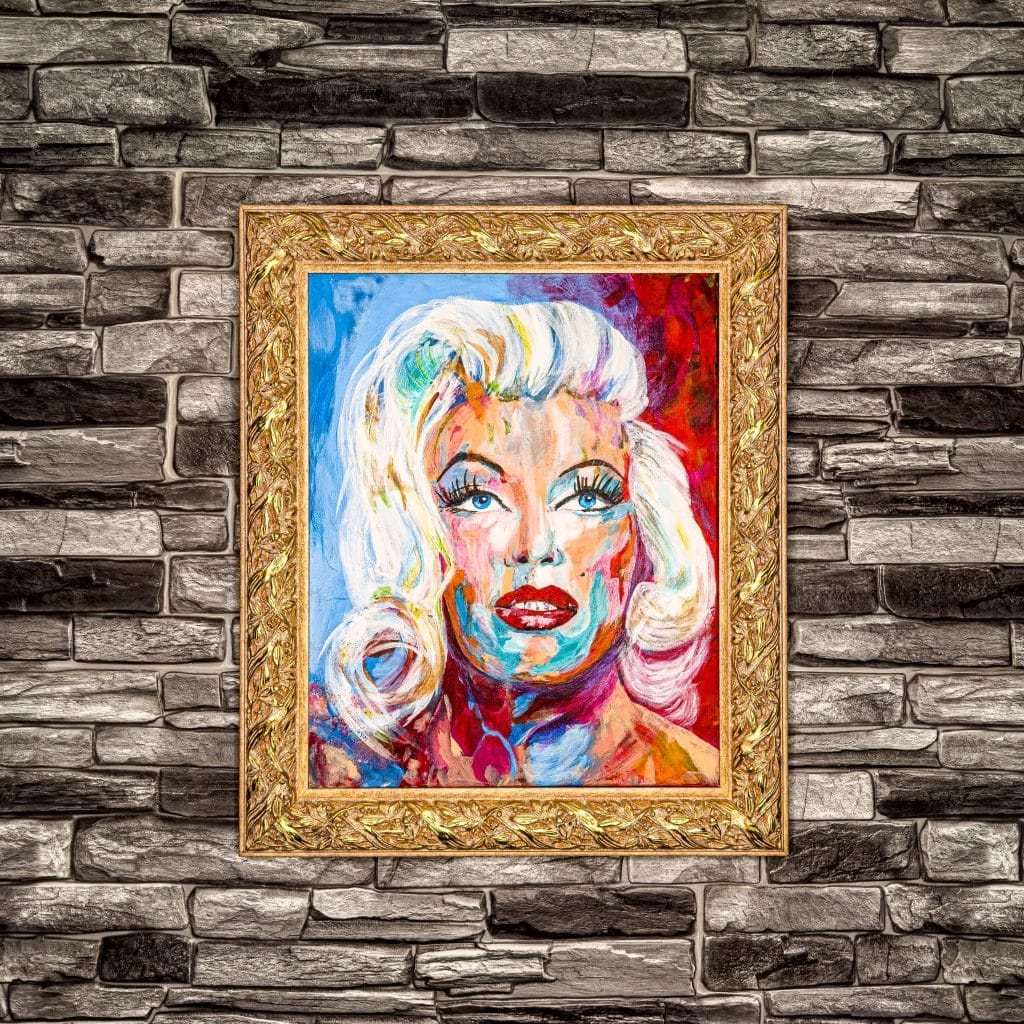
Furthermore, acrylic paints can easily be thinned with water or mediums to achieve desired consistencies. This adaptability encourages experimentation with different textures, effects, and layering techniques, giving artists the freedom to push their creative boundaries. Whether creating abstract pieces or detailed realism, acrylic paints provide the flexibility to express a wide range of artistic visions. Mood boards are a great way to build up a collection of images to help decide on your preference.
Easy Clean-Up and Safety
The clean-up process with acrylic paints is straightforward and hassle-free. Since they are water-based, brushes and tools can be easily washed with soap and water, making them a practical choice for artists working in a variety of environments. This ease of use is especially beneficial for beginners or those who may be intimidated by the cleaning process associated with oil paints.
Moreover, acrylics are generally considered safer than oils, as they emit fewer harmful fumes. This aspect is particularly important for artists who may be working in enclosed spaces or have sensitivities to strong odours. The non-toxic nature of many acrylic brands adds another layer of appeal for conscientious artists who prioritise safety in their creative processes.
Oil Paint: The Classic Staple
Rich Textures and Depth
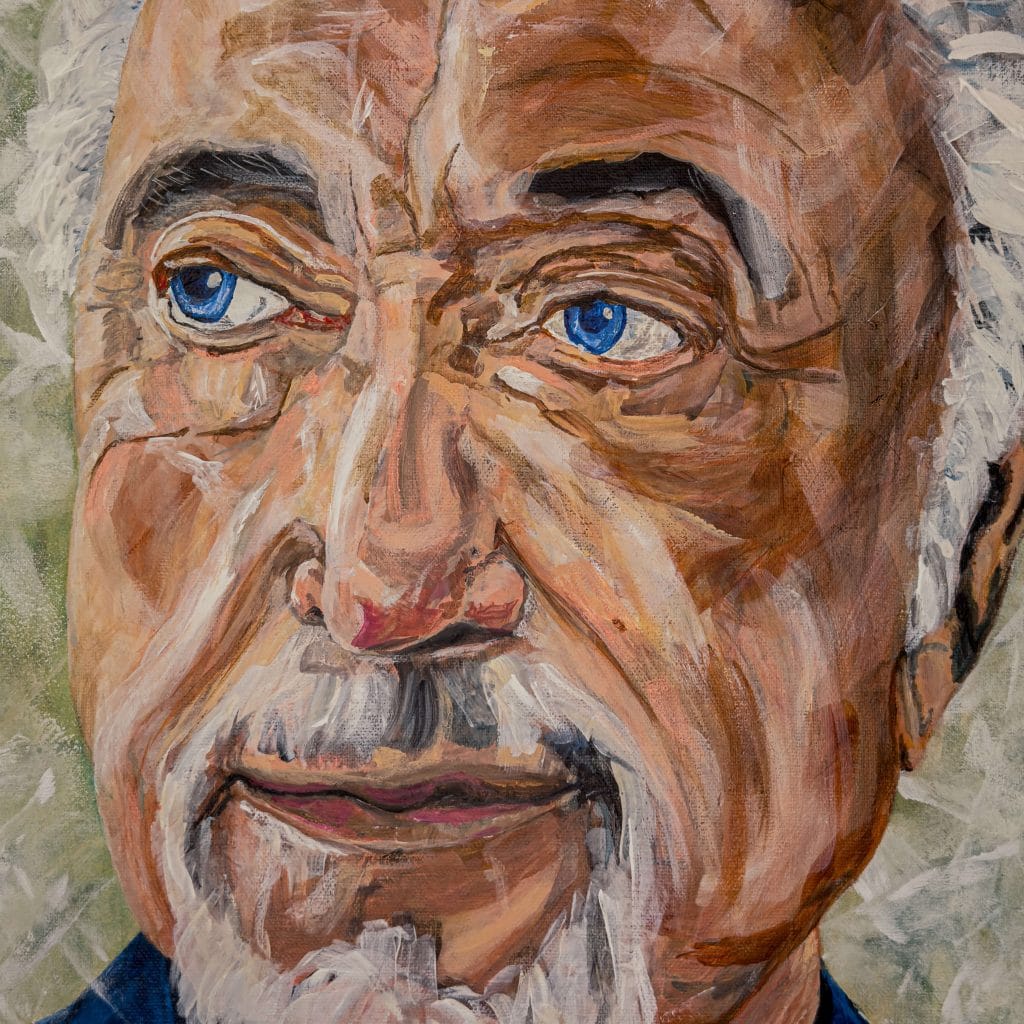
Oil paint has a long-standing reputation for its rich textures and depth, offering a luxurious quality that many artists find irresistible. The slow drying time of oils allows for meticulous blending and layering, resulting in works that exhibit stunning detail and luminosity. This characteristic makes oil paint particularly suited for realism, portraiture, and landscapes, where depth and dimension are crucial.
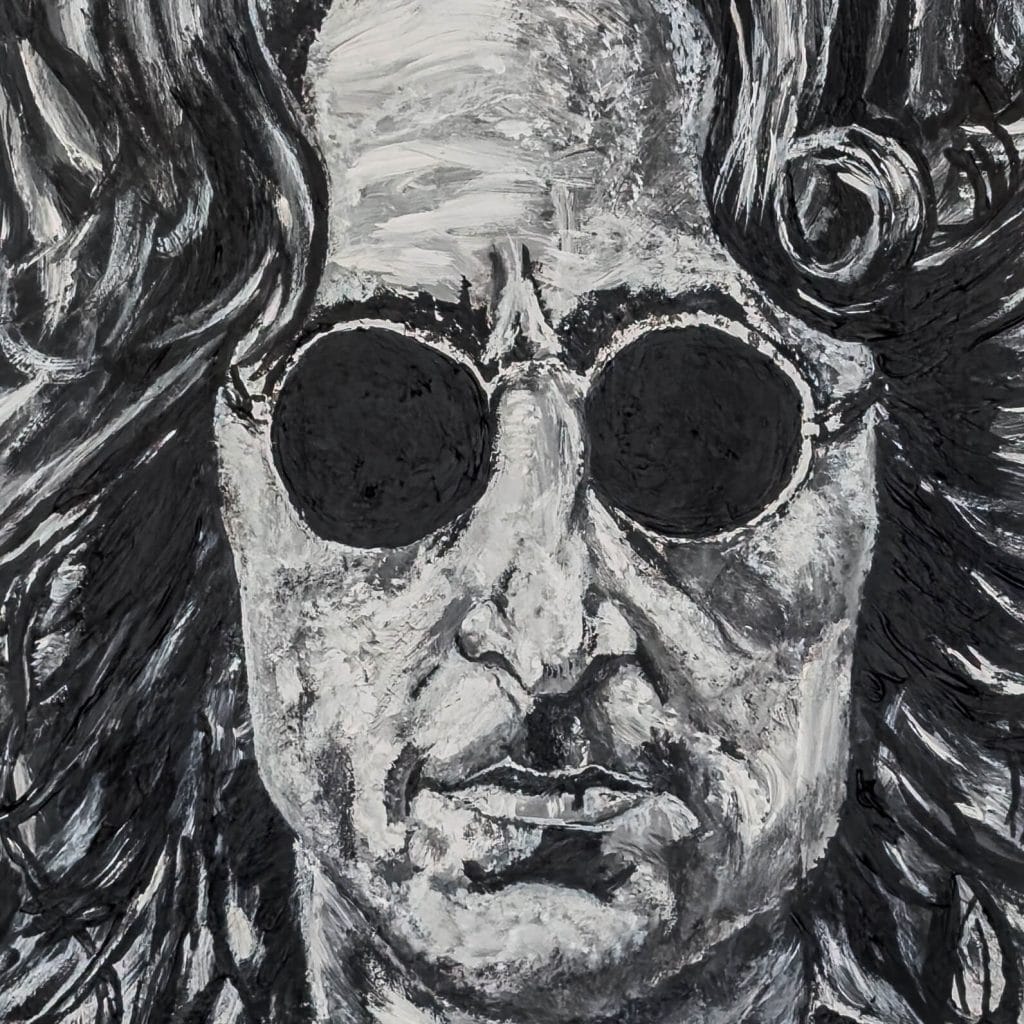
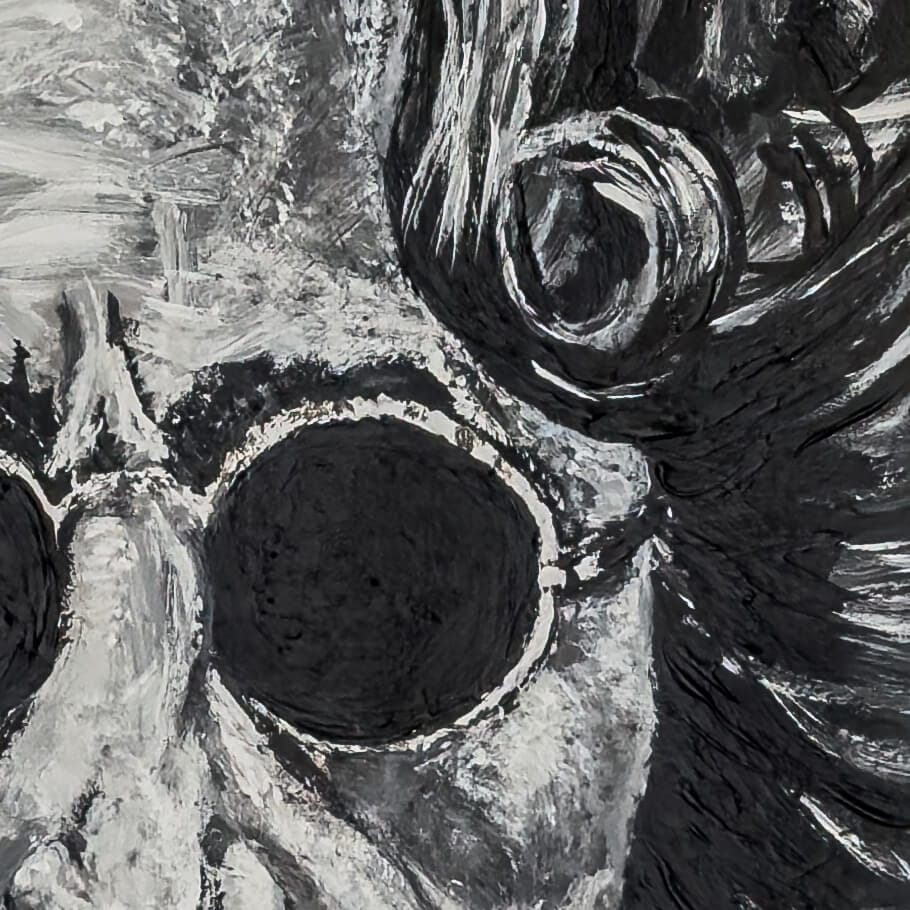
Artists can create a variety of textures with oil paints, from buttery smooth surfaces to thick impasto strokes. This versatility not only enhances the visual appeal of a painting but also adds a tactile dimension that invites viewers to engage more deeply with the artwork. The ability to manipulate the paint over extended periods opens up a world of possibilities, enabling artists to achieve their desired effects with precision.
Slow Drying for Blending
The slow drying time of oil paints, while a challenge for some, is often viewed as a significant advantage by those who appreciate the time it allows for blending. Skilled artists can spend hours fine-tuning their work, gradually building up layers and achieving a level of detail that is challenging to replicate with faster mediums. This process encourages a contemplative approach to painting, allowing artists to reflect on their choices and make adjustments as they go.
This extended working time also facilitates the use of glazing techniques, where transparent layers of color are applied to create depth and richness. Artists can build up complex colour palettes that interact in subtle ways, creating landscapes that shimmer or portraits that radiate emotion. The depth of colour that oil paints provide is unparalleled, making them a cherished choice for many traditional artists.
Longevity and Historic Value
Oil paints have a storied history, dating back centuries and used by the masters of the art world such as Rembrandt and Van Gogh. This historical significance adds a layer of prestige to oil painting, and many artists feel a connection to the lineage of those who have come before them. The durability of oil paints also means that works created with this medium can stand the test of time, often lasting for generations without fading or deteriorating.
Investing in oil paint is not just about the immediate artistic process; it’s also about creating works that can be appreciated long into the future. The richness of oils, combined with their ability to age gracefully, makes them an attractive choice for artists who aspire to create lasting masterpieces. This connection to history and the potential for longevity adds to the allure of oil painting.
Comparative Analysis: Acrylic vs Oil
Cost and Accessibility
When comparing acrylic and oil paints, one of the most significant factors for many artists is cost. Generally, acrylic paints tend to be more affordable than oil paints, making them accessible to beginners, students, and those working within budget constraints. The lower price point of acrylics allows artists to purchase a wider variety of colours and supplies without breaking the bank.
However, while acrylics may be more cost-effective upfront, artists must also consider the costs associated with oil painting, such as solvents, mediums, and the necessary tools for clean-up. For serious artists, investing in quality oil paints can yield remarkable results, but it may require a larger initial investment compared to acrylics. Ultimately, the choice of medium may depend on the artist’s budget and long-term goals.
Learning Curve for Beginners
For beginners, the learning curve associated with each medium can vary significantly. Acrylic paint is often recommended for those just starting their artistic journey due to its forgiving nature and ease of use. The quick drying time allows for immediate corrections, and the versatility to mix and dilute the paint with water makes it approachable for novices. This accessibility fosters a sense of confidence as artists experiment and develop their skills.
Conversely, oil painting can present a steeper learning curve. The slow drying time can be both a blessing and a curse; while it allows for blending, it also requires more patience and understanding of the medium’s properties. Beginners may need to navigate complex techniques, including the use of solvents and mediums, which can be a daunting task. However, many artists find the challenge rewarding, as mastering oil paint can lead to a profound appreciation for the medium’s depth and beauty.
Personal Preference and Artistic Style
So which medium is best? Ultimately, the choice between acrylic or oil paints often comes down to personal preference and individual artistic style. Some artists may thrive in the fast-paced environment that acrylics offer, finding joy in their ability to layer quickly and experiment freely. Others may resonate more with the traditional methods of oil painting, relishing the time spent perfecting their craft and the rich textures they can achieve.
Artists should take the time to experiment with both mediums, allowing themselves the freedom to explore their unique styles and preferences. The decision is less about which medium is better and more about which one resonates with the artist’s creative process. Every artist’s journey is unique, and the right medium can help facilitate that journey in profound ways.
So, Acrylic or oil paint?
Finding Your Perfect Medium
The debate between acrylic and oil paints is as old as art itself, with each medium offering distinct advantages that cater to different artistic sensibilities. Whether an artist chooses the fast-drying versatility of acrylics or the rich, historical depth of oils, the most important aspect is to find a medium that resonates with their creative spirit. Each choice will shape their artistic expression, and experimenting with both can provide valuable insights into their preferences and techniques.
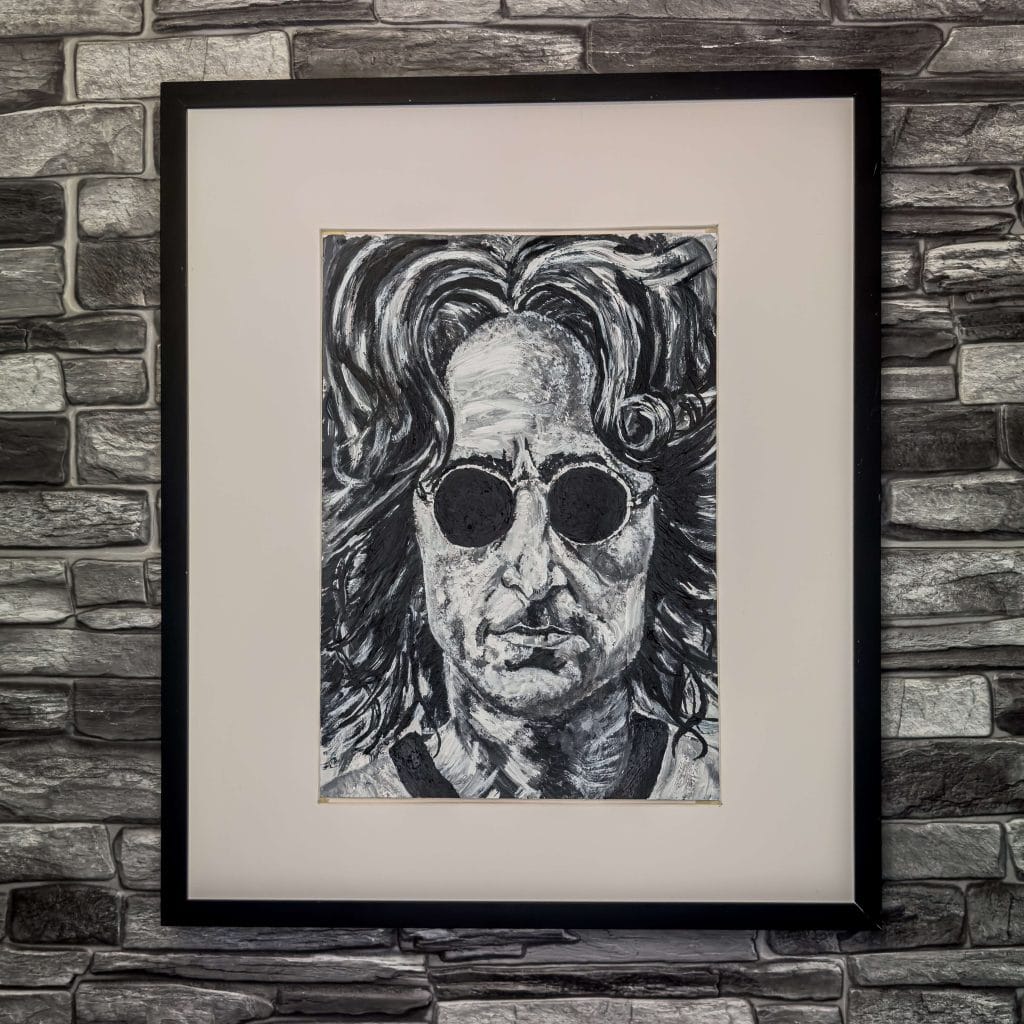
Encouragement to Experiment
As artists continue to evolve, so too should their exploration of mediums. It is through experimentation that artists discover new techniques, develop their skills, and ultimately refine their voice. Those who dare to experiment with both acrylics and oils may find unexpected synergies that enhance their artistry. The journey of discovery is what makes being an artist so rewarding, and embracing the intricacies of both mediums can lead to unparalleled creative growth.
FAQs
1. Can acrylic paint be used on canvas?
Yes, acrylic paint is well-suited for canvas and is commonly used by artists for both painting and mixed media projects.
2. How long does it take for oil paint to dry?
Oil paint can take days to weeks to dry completely, depending on the thickness of the application and the environment.
3. Is it possible to mix acrylic and oil paints?
Mixing acrylic and oil paints is generally not recommended, as they have different bases (water vs. oil) and can lead to adhesion problems.
4. Which medium is better for beginners?
Acrylics are often considered better for beginners due to their quick drying time and ease of clean-up, while oils may require more experience and patience.
5. How do I choose the right medium for my art style?
Experimenting with both acrylic and oil paints can help you determine which medium aligns best with your creative process and artistic goals.